
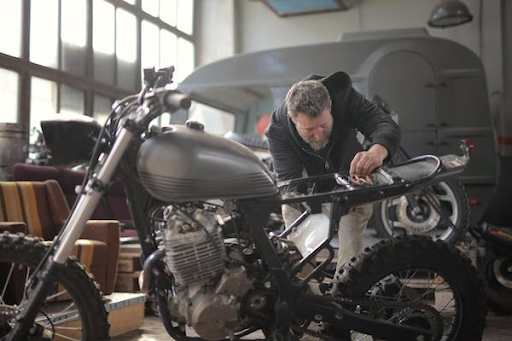
Learn how to become a motorcycle mechanic: education, training, certification, and experience are the four steps to a career repairing bikes and scooters. Motorcycle mechanics inspect, diagnose, and maintain small-engined vehicles — including motorbikes, mopeds, and scooters — and demand for skilled motorcycle repair technicians stays strong as ridership continues to grow.
The work goes far beyond routine oil changes. A motorcycle mechanic troubleshoots engine problems, rebuilds brakes, adjusts suspension, services electrical systems, and performs preventive motorcycle maintenance that keeps riders safe on the road. Modern bikes are packed with microcomputers and advanced electronics, so the trade blends traditional wrench work with diagnostic software and precision testing.
If you enjoy hands-on problem solving and want to turn your passion for motorcycles into a dependable trade, motorcycle mechanic training is the logical entry point. The sections below break down the exact requirements to get hired, the certifications that boost your credentials, and the real-world rewards and challenges of working in a motorcycle repair shop.
Steps to Becoming a Successful Motorcycle Mechanic
To become a motorcycle mechanic, you typically need a high school diploma or GED, formal training from an accredited repair program, certification where your state requires it, and hands-on experience gained through internships or entry-level jobs. The path is straightforward, but each step builds the skills and credentials that shops, dealerships, and manufacturers look for when hiring.
Education Requirements for Motorcycle Mechanics
You don’t need a four-year degree to work as a motorcycle mechanic. A high school diploma or GED is the standard baseline, and it’s required if you plan to work for manufacturers, dealerships, or corporate repair chains. If you’re considering starting your own shop, formal education is less strictly required, but completing high school still strengthens the math, reading, and problem-solving skills you’ll use daily on the job.
Courses in automotive repair, electronics, and basic mathematics can give you a useful head start before you ever enroll in a dedicated motorcycle mechanic program.
Motorcycle Mechanic Training and School Programs
Manufacturers and technical shops prefer candidates with formal training from an accredited motorcycle mechanic school. Community colleges and technical institutes offer diploma programs, and some award associate degrees if you want to add business and management skills to your repair knowledge.
Most motorcycle mechanic programs cover motorcycle engines, suspensions, brakes, electrical systems, and onboard microcomputers. Training also includes diagnosing damage and performing maintenance after a motorcycle accident, so you learn to assess and restore bikes that have been through collisions.
Certification and State Licensing
Some states require motorcycle mechanics to hold certification before they can work professionally. Certification is issued by accredited institutes, and in many areas a state licensing board oversees the credential. Requirements vary by state, so check with your state’s licensing board for the most current rules before you apply for jobs.
Earning recognized credentials, such as those offered through the National Institute for Automotive Service Excellence (ASE), can also make your resume stand out to employers even in states where certification isn’t legally required.
Gaining Hands-On Experience
Hands-on experience is where theoretical knowledge becomes real skill. Internships give you supervised practice on actual bikes, which is the fastest way to build confidence with engines, brakes, and electrical systems.
You can also apply for motorcycle mechanic jobs on Jooble and earn while you learn. Entry-level positions at independent shops and dealerships often pair new mechanics with experienced technicians, giving you paid on-the-job training as you work toward full independence.
Rewards and Challenges of Being a Motorcycle Mechanic

Working as a motorcycle mechanic pairs genuine rewards with real frustrations. You get to spend your days on machines you love, earn a competitive salary, and tackle a fresh puzzle nearly every shift. At the same time, the trade demands physical endurance, up-to-date technical skills, and the patience to manage demanding customers. Weighing both sides before you commit will help you decide whether this career truly fits your goals.
The breakdown below covers the strongest benefits and the toughest downsides of the job, so you can enter the field with realistic expectations and a clear plan for building a successful, long-term career as a motorcycle mechanic.
Benefits of Being a Motorcycle Mechanic
Working as a motorcycle mechanic offers more than a paycheck. From strong earning potential to daily variety and a tight-knit community, the role rewards hands-on problem solvers who love two-wheeled machines.
- Turn your passion into a career: If you already spend weekends riding or tinkering with bikes, this job lets you work on motorcycles, scooters, and mopeds every day.
- Solid motorcycle mechanic salary: The average annual pay is around $43,360, and experienced mechanics can earn more than $68,000 per year, with room to grow through certifications and specialization.
- Variety keeps the job interesting: No two repair jobs are the same. You’ll troubleshoot different models, diagnose electrical faults, and rebuild engines, so the work rarely feels monotonous.
- Sharpen your problem-solving skills: Diagnosing a motorcycle’s issue requires logical thinking and attention to detail, skills that transfer to other areas of life.
- Freedom to work independently: Many motorcycle mechanics start their own shops or work as mobile technicians, giving them control over their schedule and client base.
- Real satisfaction from repairs: Reviving a bike that wouldn’t start or fixing a stubborn brake system brings a tangible sense of accomplishment.
- Join the motorcycle community: You’ll interact with riders, clubs, and fellow enthusiasts, building relationships around a shared passion.
Challenges of Being a Motorcycle Mechanic
Every motorcycle repair career comes with real obstacles, and knowing them before you commit can help you prepare for the physical, technical, and business side of the job. Here are the main challenges motorcycle mechanics face on a regular basis.
- Physical demands and fatigue: The work is hard on your body. Lifting heavy bikes, crouching over workbenches, and repeating the same motions for hours can lead to back pain, joint strain, and exhaustion — which is why the role is rarely a good fit for anyone who prefers a desk-based job.
- Advanced technology and complex systems: Modern motorcycles are packed with electronic fuel injection, ABS, traction control, and onboard computers. Diagnosing problems now requires digital diagnostic tools, wiring diagrams, and constant learning — not just a wrench and a service manual.
- Safety risks and workplace hazards: Mechanics work with hot engines, sharp metal, heavy parts, and chemicals like brake fluid and solvents. Burns, cuts, and slips are common, and improper lifting can cause serious injuries. Following safety protocols and wearing protective gear is essential on every job.
- Customer expectations and communication pressure: Riders often bring in bikes with vague complaints like “it just doesn’t feel right.” Translating a technical diagnosis into clear, honest terms — and managing expectations about cost and turnaround time — can be just as demanding as the repair itself.
- Staying current with training: Motorcycle technology changes quickly, so successful mechanics invest in ongoing education, manufacturer certifications, and new diagnostic equipment. That means both time and money out of pocket to stay competitive in motorcycle maintenance and repair.
- Tool and equipment costs: A professional-grade toolkit, lifts, and diagnostic scanners add up quickly. Many mechanics build their kits gradually, but the upfront investment is a genuine barrier for newcomers entering the field.
Conclusion: Is a Motorcycle Mechanic Career Worth It?
Becoming a motorcycle mechanic is a practical path for anyone who enjoys hands-on work and has a genuine interest in two-wheeled machines. The profession offers competitive pay, a close-knit community, and the freedom to run your own shop, but it also demands physical endurance, up-to-date technical knowledge, and the ability to handle demanding customers. When you weigh the earning potential and job satisfaction against the occasional stress and safety risks, the rewards clearly outpace the drawbacks.
If you’re ready to pursue this career, follow the roadmap covered above: complete your high school diploma, enroll in an accredited training program, earn the required certifications for your state, and build real-world experience through internships or entry-level positions. With the right preparation, you can turn your passion for motorcycles into a stable, fulfilling livelihood.