
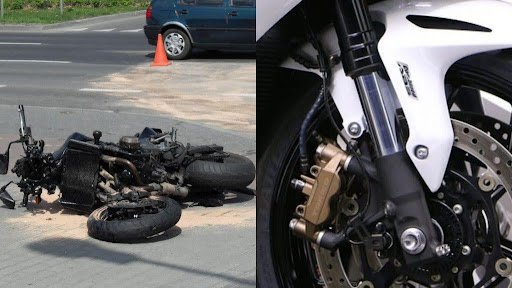
After a motorcycle accident, call emergency services, gather evidence, notify your insurer, and consult a motorcycle accident lawyer before making statements. These actions can reduce injury risks and protect your right to compensation. Motorcycle crashes are especially dangerous because riders are fully exposed to impact; Forbes reports that nearly 76% of motorcycle collisions involve the front of the bike. Even when a collision seems unavoidable, knowing what to do in the minutes and hours afterward can significantly affect your recovery and your claim.
What to Do After a Motorcycle Accident: Steps to Protect Your Claim
The moments and days after a motorcycle crash can shape the outcome of your entire case. One of the smartest first moves is to contact a knowledgeable legal team — motorcycle accident lawyers from Lorenz & Lorenz, PLLC and other reputable firms know how to pursue compensation for medical bills, lost wages, and motorcycle repair costs. Experienced counsel also understands how insurers evaluate fault, which can make the difference between a fair settlement and a denied claim.
Acting quickly matters because evidence fades, witnesses move on, and insurance adjusters begin building their version of events almost immediately. The steps below outline what to do after a motorcycle accident so you can protect your health, your legal rights, and your financial recovery from the very start.
“`html
Call Emergency Services Immediately After the Crash
Your first move after any motorcycle accident should be to call 911. Even if you feel fine in the moment, adrenaline can mask serious injuries such as internal bleeding, fractures, or head trauma. Dispatchers will send paramedics and police to your exact location, so stay on the line, describe the scene clearly, and follow their instructions.
Do not attempt to stand or move your motorcycle until emergency responders arrive, unless you are in immediate danger from oncoming traffic or fire. Moving too quickly can worsen a spinal injury or turn a minor crash into a life-threatening situation. Let the medical team evaluate you thoroughly before you decide whether to refuse transport to the hospital.
“`
Gather Information and Document Evidence at the Scene
If your physical condition allows, begin collecting evidence at the scene as soon as it is safe to do so. Witness statements can be invaluable when you later file a claim, so ask bystanders for their contact details and a brief account of what they saw. Use your phone to capture photos and videos of the accident scene, including vehicle positions, road conditions, skid marks, traffic signals, and any visible damage to your motorcycle. This visual documentation can help establish fault and counter any disputed version of events. When police officers arrive, provide them with the information you have gathered and request a copy of the official accident report, as insurers and attorneys will rely on it to assess liability and calculate compensation.
Contact Your Insurance Provider
Once you have received medical attention and the scene has been documented, notify your motorcycle insurance provider as soon as reasonably possible. Most policies require prompt accident reporting, and unnecessary delays can complicate your claim or even reduce your payout. When you call, provide the basic facts—date, time, location, and the parties involved—but avoid speculating about fault or offering a recorded statement until you have spoken with an attorney.
Your insurer will assign a claims adjuster who may review the police report, inspect your motorcycle, and speak with witnesses or responding medical teams. Cooperate fully, but keep your own written notes of every conversation, including the adjuster’s name, the date, and what was discussed. Ask for a clear written explanation of your coverage limits, deductibles, and any deadlines for submitting documentation.
Remember that the insurance company’s interests are not identical to yours. Adjusters often aim to settle quickly and minimize the amount paid out. Before accepting any offer, make sure your medical treatment is complete and your repair estimates are finalized, and consider having a lawyer review the settlement to confirm it covers both current expenses and any future care related to the accident.
Watch What You Say at the Crash Scene

After a motorcycle crash, adrenaline and panic often push victims to talk more than they should. Those unguarded words can later be used against you in court or by insurance adjusters to reduce your settlement. The safest approach is to stay calm, limit your conversation to basic facts, and avoid apologizing or admitting fault—even if you think you made a mistake.
You are not required to give a detailed statement to the other driver, witnesses, or the at-fault party’s insurance company at the scene. Simply exchange legally required contact and insurance information, then wait for law enforcement to document the incident. Anything you say about road conditions, your speed, or how the collision happened can be interpreted as an admission of liability and complicate your injury claim.
If you feel pressured to explain what happened, politely say you need to speak with your attorney first. This protects your legal rights and ensures your words don’t undermine the evidence a motorcycle accident lawyer will later use to pursue fair compensation for your injuries and bike damage.
Document Your Medical Bills and Motorcycle Repair Costs
After a motorcycle collision, every dollar you spend on treatment or repairs can become part of your compensation claim. Keep a detailed record of all accident-related expenses, from ambulance fees and hospital invoices to physical therapy sessions and prescription costs. For your bike, save repair estimates, tow charges, and any receipts for replacement parts or gear. A well-organized expense log makes it easier to prove the full financial impact when you file with your insurer or in court.
Insurance companies often look for gaps in documentation to reduce payouts. Without clear proof of your motorcycle repair expenses and medical bills, you may struggle to recover the amount you are owed. Consider creating a simple spreadsheet that lists each cost, the date, the provider, and the payment method. Photograph every receipt as a backup in case paper copies are lost.
An experienced attorney can review your documentation to identify missing items and ensure nothing is overlooked. They understand what evidence adjusters expect and can help you present your expenses in the most compelling way, which is especially valuable when negotiating a settlement for both short-term and ongoing care.
Seek an Attorney’s Help
Contacting a motorcycle accident lawyer is one of the most important steps you can take after a crash, ideally before you speak to an insurance adjuster or sign any settlement paperwork. An experienced attorney handles the legal heavy lifting: they gather and preserve evidence, reconstruct the accident timeline, calculate the full value of your claim, and prepare the documentation required to file against the at-fault party. They can also negotiate directly with insurers, who often try to minimize payouts, and take your case to court if a fair settlement isn’t offered.
Beyond paperwork, a lawyer gives you clear guidance on the decisions that shape your case, such as which medical records to submit, how to respond to recorded questions, and what to avoid saying that could be used against you. Because most personal injury claims have strict filing deadlines, getting legal advice early helps ensure you don’t miss a statute of limitations window. Whether your injuries are minor or severe, professional representation is designed to protect your rights and help you pursue the maximum financial compensation available for medical bills, lost wages, and vehicle damage.