
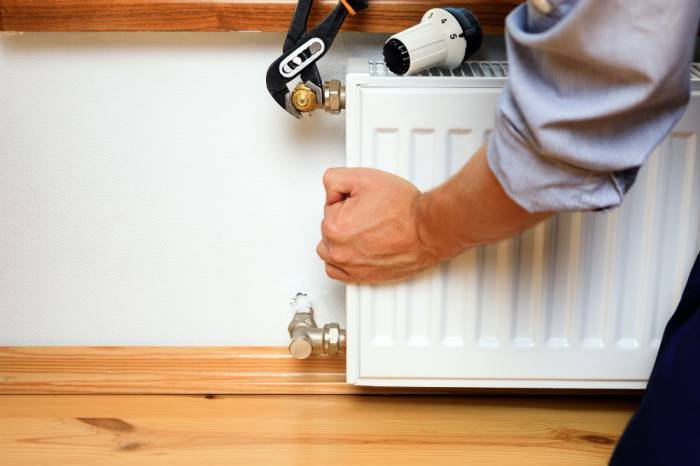
The cheapest heating system to install is an electric space heater, which requires no ductwork or professional labour. For whole-home warmth, forced air furnaces keep installation costs low, and eligible UK households can get central heating installed for free under the ECO4 scheme.
Comparing heating system installation costs does not have to be complicated. Whether you need a portable heater for a single room or a full central heating system, low-cost options exist at every level. Our thanks go to the specialists at Energy Services for helping homeowners stay warm without overspending.
In this guide, we compare the most affordable heating systems to install, including electric space heaters, forced air furnaces, ductless mini-splits, radiant floor heating, and grant-funded central heating, so you can make a confident choice this winter.
“`
Electric Space Heaters: The Lowest-Cost Heating System to Install
If you’re hunting for the cheapest heating system to install, a portable electric space heater is hard to beat. There’s no ductwork, no permanent mounting, and no professional installation fee — you simply plug it in and switch it on. That makes the electric space heater installation cost effectively zero for most households, which is why these units are a go-to for budget-friendly home heating.
Electric space heaters shine in small rooms, home offices, and bedrooms where you need quick warmth without heating the whole house. They’re also among the most energy-efficient options for occasional use, since you can run them only when needed. However, for larger open-plan areas, they can become expensive to run — so think of them as a targeted heating solution rather than a whole-home system.
Forced Air Furnaces: A Reliable, Low-Cost Heating System for the Whole Home
Forced air furnaces remain one of the most popular and budget-conscious ways to heat an entire house. Instead of relying on portable units or zone-by-zone heating, a furnace pushes warm air through ductwork to every room, giving you consistent comfort even on the coldest days. For homeowners looking for a low installation cost and dependable performance, this classic system is hard to beat.
Installation costs for a forced air furnace are generally lower than those for heat pumps, boilers, or radiant floor systems, especially when ductwork is already in place. Gas furnaces, in particular, offer strong heating output and efficient fuel use, which helps keep monthly energy bills manageable. Even in larger homes, a properly sized forced air system can maintain steady temperatures without the need for multiple heating units.
When comparing heating system installation costs, forced air furnaces stand out because they combine:
- Reasonable upfront installation fees
- Whole-house coverage through existing or new ductwork
- Wide availability of parts and service technicians
- Compatibility with smart thermostats for better energy management
That said, efficiency varies by model and fuel type. High-efficiency gas furnaces can reduce long-term energy consumption, while older or poorly maintained units may drive up heating costs. If you’re weighing budget heating options, a forced air furnace offers one of the best balances between installation price, running costs, and whole-home warmth.
Ductless Mini-Split Systems: Affordable Zoned Heating Without Ductwork
If you want an energy-efficient heating option without the cost and disruption of ductwork, ductless mini-split systems are a smart choice. These heat pump systems connect an outdoor condenser to one or more wall-mounted indoor air handlers, delivering warm air directly to the rooms you use most. Because each zone has its own thermostat, you can heat only occupied spaces and avoid wasting energy on empty rooms.
Ductless mini split installation is typically faster and less invasive than ducted systems, which helps keep labor costs down. You can start with a single-zone setup for one room and expand later with a multi-zone system. Ductless mini splits also provide cooling in summer, making them a versatile year-round comfort upgrade. For homes without existing ducts, room additions, garages, or converted attics, they are often the least expensive way to add efficient heating.
Upfront costs depend on the number of zones, the unit’s efficiency rating, and local labor rates. Still, for heating a few key spaces, the combination of lower ductless heating installation costs and zoned energy savings makes mini split heat pumps one of the most budget-friendly heating systems available.
Radiant Floor Heating: A DIY-Friendly Option With Long-Term Savings
Radiant floor heating is a budget-friendly heating solution that warms your home from the ground up. Instead of blowing air through ducts, it circulates warm water through pipes or uses electric heating mats beneath your flooring. While installation requires more effort than plugging in a space heater, it offers consistent comfort and can lower energy bills over time—especially for smaller homes or single rooms.
How Radiant Floor Heating Works
There are two main types: hydronic (water-based) and electric. Hydronic systems pump heated water through tubing under the floor, making them highly efficient for whole-house heating. Electric systems use thin mats or cables and are easier to install in one room or a bathroom. Both deliver warmth directly to the floor, so you feel the heat immediately on your feet and avoid the drafts common with forced-air furnaces.
Radiant Floor Heating Installation Cost
Installation costs vary widely based on the system type and whether you hire a contractor. Electric floor heating kits are generally less expensive to install, especially for DIYers, while hydronic systems require more plumbing and expertise. If you’re comfortable with basic home improvement projects, you can reduce labour costs by installing electric mats yourself. However, hydronic systems are best left to professionals unless you have significant plumbing experience.
Radiant Floor Heating vs. Other Budget Heating Options
Compared with electric space heaters, radiant floor heating provides more consistent warmth and doesn’t take up floor space. Forced-air furnaces heat whole homes quickly, but they can be noisy and create dry air. Ductless mini-splits are efficient and easy to install, but they may cost more upfront. Radiant floor heating is a strong option for homeowners who value comfort and are willing to invest in installation for long-term energy savings.
If you’re looking for the least expensive heating system to install, electric space heaters and forced-air furnaces remain the most budget-friendly upfront. Radiant floor heating is a mid-range choice that pays off through lower operating costs and increased comfort.
Central Heating Under the ECO Scheme: Free Installation for Eligible Homes
The most budget-friendly way to install a full central heating system in the UK is through the ECO Scheme (Energy Company Obligation). This government-backed programme covers the complete installation cost of boilers, radiators, and air-source heat pumps for qualifying homeowners and private tenants. If you meet the eligibility criteria, you could receive a professionally installed, energy-efficient heating system with zero upfront expense.
The ECO Scheme is a government initiative that obliges energy suppliers to help households improve home energy efficiency, reduce carbon emissions, and combat fuel poverty. For eligible applicants, this removes the single biggest financial barrier to upgrading an old, inefficient, or broken heating system: the installation cost itself. Instead of paying thousands for a new central heating setup, qualifying households can receive a complete installation at no charge. The scheme also prioritises homes with low EPC ratings, targeting properties that stand to benefit most from energy-saving upgrades.
What the ECO Scheme Covers
Depending on your property’s needs and the initial assessment, the scheme can fund a full central heating system installation, including the following components:
- Boilers: A new high-efficiency boiler can replace a dated or faulty unit, delivering more reliable warmth and lower energy consumption. The ECO Scheme covers the installation cost, making a boiler upgrade accessible to households that would otherwise face a significant financial burden.
- Radiators: Radiators are the primary heat emitters in a central heating system, distributing warmth to every living space. The scheme includes the supply and fitting of radiators as part of the complete installation, ensuring consistent, comfortable temperatures throughout the home.
- Air-Source Heat Pumps: These low-carbon devices extract heat from the outside air and transfer it indoors, offering an energy-efficient alternative to traditional boilers. Under the ECO Scheme, air-source heat pump installation is fully funded for qualifying households, helping to reduce long-term heating bills and environmental impact.
ECO4 Scheme Eligibility Criteria: Who Qualifies for a Free Heating System?
To qualify for a free central heating system, boiler upgrade, or air-source heat pump under the ECO4 Scheme, homeowners and private tenants must meet government-set criteria. Eligibility is assessed on household income, property type, claimed benefits, and the condition of your existing heating system. Qualifying applicants can receive a full central heating installation at no cost — making this the least expensive heating system option available.
The most common qualifying criteria include:
- Receiving income-related benefits: Households on low incomes claiming qualifying government benefits are typically eligible for the free heating grant.
- Low energy efficiency rating: Homes with an EPC rating below D are prioritised, as they stand to gain the most from energy-efficient upgrades.
- No working central heating system: Properties without a functioning boiler, radiators, or heat pump are given priority for a free installation.
- Owner-occupied or private rental: Both homeowners and private tenants can apply, provided the landlord agrees to the installation.
The scheme prioritises homes that would benefit most from energy-efficiency improvements, helping reduce carbon emissions and tackle fuel poverty. Eligibility can vary by region and is confirmed by authorised ECO4 scheme providers, so applicants should verify their status before applying. If you meet the criteria, a free central heating system could eliminate your heating installation costs entirely — the ultimate budget-friendly warmth solution.
How to Choose the Right Heating System for Your Home
The best heating system for your home depends on three factors: your budget, the size of your living space, and your long-term energy goals. If you need the absolute lowest installation cost, an electric space heater or a forced air furnace wins on price. If you want whole-home efficiency with the lowest running costs, a ductless mini-split or a central heating system under the ECO4 scheme delivers more value over time.
Choosing the cheapest way to heat a home isn’t just about the upfront price tag. You also need to weigh energy efficiency, maintenance costs, and how well each system fits your property. Here’s a practical comparison to help you decide.
Heating System Comparison at a Glance
Each budget-friendly heating option serves a different purpose. Use this breakdown to match a system to your home’s specific needs:
- Electric space heaters: The lowest installation cost of any option — typically just the price of the unit plus a plug. Ideal for single rooms, garages, or supplemental warmth. Running costs are higher, so they’re best for occasional use rather than whole-home heating.
- Forced air furnaces: A proven choice for whole-house heating with moderate installation costs. They distribute warm air through existing ductwork, making them a smart upgrade if your home already has ducts. Energy efficiency depends on the furnace’s AFUE rating — higher ratings mean lower monthly fuel bills.
- Ductless mini-split systems: Excellent for homes without ductwork or for zoned heating. You control temperatures room by room, which cuts energy waste in unused spaces. Installation is straightforward — a small wall-mounted unit and an outdoor condenser — and the system doubles as air conditioning in summer.
- Radiant floor heating: The most comfortable option for consistent warmth, but the highest DIY difficulty. Electric mats or hydronic tubing sit beneath your flooring, so installation is disruptive in existing homes. It pays off in energy savings over time, especially in bathrooms and kitchens.
- Central heating under the ECO4 scheme: The clear winner for eligible households. Boilers, radiators, and air-source heat pumps are installed at no cost, giving you a full central heating system for £0 upfront. This is the cheapest heating system to install by a wide margin — if you meet the government’s eligibility criteria.
A Simple Decision Framework for Budget Heating
Ask yourself these questions before committing to a heating system:
- What’s your upfront budget? If you can’t afford a full system, start with a space heater or a portable radiator. If you qualify for the ECO4 scheme, a free central heating installation removes the cost barrier completely.
- How large is your home? Small flats and single rooms suit space heaters or mini-splits. Larger homes need a furnace, boiler, or heat pump to maintain comfortable temperatures throughout.
- Do you already have ductwork? Existing ducts make a forced air furnace the most economical choice. Without ducts, a ductless mini-split avoids the cost and disruption of installing new ductwork.
- Are you focused on long-term energy savings? Air-source heat pumps and high-efficiency boilers cost more to install but deliver the lowest running costs and reduce your carbon footprint. This matters if you plan to stay in your home for several years.
- Do you qualify for a government grant? Check your eligibility for the ECO4 scheme before paying for any installation. If you receive qualifying benefits or live in a low-EPC-rated home, you could get a boiler, radiators, or an air-source heat pump installed for free.
The most affordable heating system isn’t always the cheapest to run. A £50 space heater can warm one room, but a free ECO4 central heating installation heats your entire home with modern, energy-efficient equipment. Weigh both the installation cost and the monthly running cost before you decide.
Conclusion: The Cheapest Heating System to Install
If you qualify for the ECO4 scheme, the cheapest heating system to install costs nothing – a free central heating system with a boiler or air-source heat pump. For everyone else, electric space heaters have the lowest upfront installation cost, while forced-air furnaces and ductless mini-splits offer budget-friendly whole-home options.
Before you choose, weigh your home’s size, existing ductwork, and long-term energy bills. Radiant floor heating is comfortable but has higher install complexity. The ECO4 grant is the clear winner for eligible households, eliminating installation costs entirely.
For expert guidance on the ECO4 scheme and other affordable heating upgrades, contact Eco Energy Services. Their team can confirm your eligibility and help you secure free central heating installation. Stay warm without stretching your budget.