
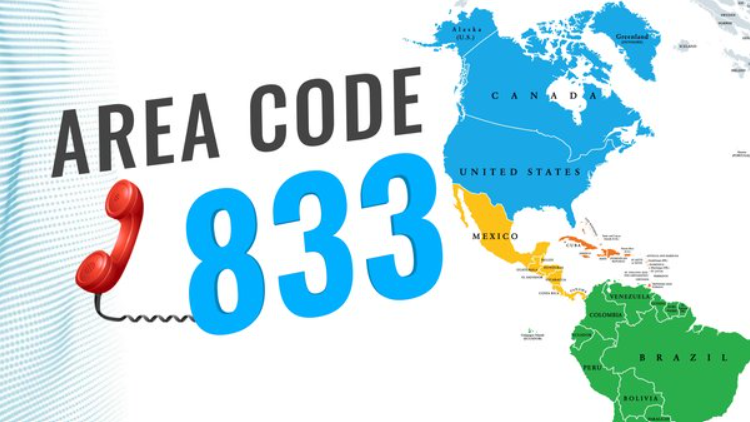
The 833 area code is a nationwide toll-free code for businesses serving customers in the United States, Canada, and other NANP territories.
An 833 number gives customers a familiar way to contact your business without using a geographic area code. This guide explains how 833 toll-free numbers work, their business benefits, how to get one, and how to avoid common scams.
What Is the 833 Area Code?
The 833 area code is a non-geographic toll-free code introduced in 2017 to expand the supply of toll-free phone numbers in the North American Numbering Plan (NANP). Unlike a local area code, 833 does not identify a specific city or region.
Businesses can use an 833 number for customer service, sales, appointments, and other inbound calls. The number can generally be reached across the United States, Canada, and participating NANP territories without the caller paying standard long-distance charges. The business or its telecommunications provider pays the applicable service costs.
833 is part of the toll-free numbering family that also includes 800, 844, 855, 866, 877, and 888. Calls to an 833 number can be routed to an office phone, mobile device, call center, or virtual phone system.
Why Businesses Choose an 833 Toll-Free Number
An 833 number gives businesses a nationwide toll-free presence without tying the line to a specific city or state. It can make customer support easier to reach, provide additional numbering capacity, and route calls to the phone system or team that handles them best.
Expand Toll-Free Number Availability
As demand for traditional 800 numbers continues, an 833 number offers another option for businesses seeking a dedicated toll-free line. Companies can use it for customer service, sales, reservations, appointments, or general inquiries.
Make It Easier for Customers to Call
Calls to 833 numbers are generally toll-free for callers within the North American Numbering Plan, although a caller’s carrier or service plan may affect charges. Removing or reducing call-cost concerns can make customers more comfortable contacting your business.
Route Calls to the Right Team
Providers can route an 833 number to an office phone, mobile device, call center, virtual receptionist, or cloud phone system. Features such as menus, schedules, voicemail, and overflow routing can help businesses manage calls as their needs change.
Separate Customer Support from Other Business Calls
A dedicated 833 line can keep customer service calls separate from a main office number. This makes it easier to publish one consistent support number across a website, invoices, advertising, and other customer communications.
Build a Consistent Business Contact Point
A toll-free number can support a professional, nationwide brand presence. Businesses may also be able to select a memorable number or vanity number, subject to availability, so customers can recall and use it more easily.
Overall, an 833 number can be a practical choice for businesses that need a reachable, flexible phone line for customers across the United States, Canada, and other North American Numbering Plan territories.
More Toll-Free Number Availability
The 833 toll-free area code adds numbering capacity for businesses that cannot find a suitable 800 number. It gives companies more options for securing a dedicated customer service, sales, or support line while keeping the toll-free format customers recognize.
Free for Most Callers
An 833 number is toll-free for callers in the United States, Canada, and participating North American Numbering Plan territories. This removes a common cost barrier, although mobile, international, or payphone charges may still depend on the caller’s service plan.
Flexible Call Routing for 833 Numbers
An 833 toll-free number can forward calls to an office line, mobile phone, call center, or virtual PBX. Businesses can also use features such as call queues, business-hours routing, and interactive voice response (IVR) to direct callers to the right team.
Make Your Business Easier to Remember
An 833 toll-free number gives customers a simple, recognizable way to contact your business. Pairing the number with a memorable vanity pattern can improve recall across websites, advertisements, invoices, and other marketing materials.
Strengthen Brand Recognition
A dedicated 833 toll-free number gives customers a consistent way to contact your business across websites, advertisements, invoices, and other channels. Using the same number everywhere can make your company easier to remember and support a more professional, trustworthy customer experience.
With flexible call routing and business-hours settings, an 833 number can also support organized customer communications as your company grows.
How to Get an 833 Toll-Free Number
To get an 833 toll-free number, search a reputable toll-free provider’s inventory, select an available number, configure call handling, and publish it wherever customers need to reach your business.
1. Search for an available 833 number
Use a provider’s online search tool to browse available 833 phone numbers. If brand recognition matters, look for a vanity number that spells a word, reflects your business name, or uses an easy-to-remember pattern. Availability varies, so you may need to compare several options.
2. Confirm pricing and service terms
Before ordering, review the provider’s setup fees, monthly charges, per-minute rates, call recording costs, number porting options, and cancellation terms. Confirm whether the plan includes features your team needs, such as voicemail, business-hours routing, caller menus, call queues, or reporting.
3. Choose and activate the number
Select the available 833 number and complete the provider’s registration or purchase process. The provider may request business and account information before activating the number. If you already use a toll-free number, ask whether it can be ported to the new service instead of replacing it.
4. Configure call routing
Connect the 833 number to the destinations your customers should reach, such as a business phone, mobile device, call center, virtual receptionist, or cloud phone system. Set up a schedule for business hours, an after-hours message, voicemail, and overflow routing so callers are not left without an answer.
5. Test the customer experience
Call the number from different networks and locations to check that routing, greetings, menus, voicemail, and call forwarding work as expected. Verify that your staff can identify an incoming customer-service call and that any tracking or recording features follow your applicable policies.
6. Publish the 833 number consistently
Add the new 833 toll-free number to your website, contact page, advertisements, invoices, email signatures, social profiles, business cards, and customer communications. Use the same formatting everywhere and monitor call volume after launch so you can adjust staffing and routing as needed.
Choose a provider with transparent pricing, dependable support, and clear ownership and portability terms. That helps your business retain control of its 833 number if you later change phone systems or telecom providers.
How to Use an 833 Toll-Free Number Effectively
An 833 toll-free number works best when customers can find it easily, reach the right team quickly, and receive a consistent experience across every call.
Make Your 833 Number Easy to Find
- Display the number prominently on your website, contact page, advertisements, social media profiles, email signatures, business cards, invoices, and customer statements.
- Use consistent formatting wherever the number appears so customers can recognize and remember your business phone number.
- If you use a memorable vanity number, include the full numeric version as well to make dialing easier on mobile devices.
Build a Reliable Call-Handling Process
- Route calls to the appropriate department, office, call center, or mobile team using your phone system, IVR menu, or virtual PBX.
- Set business-hour schedules, voicemail, holiday greetings, and overflow routing so callers are not left without an option when staff are unavailable.
- Train employees to answer the 833 customer service line professionally and use a consistent greeting.
- Consider a virtual receptionist or answering service to manage overflow calls and reduce missed opportunities during busy periods.
Measure and Improve Call Performance
Use call tracking or reporting tools to monitor call volume, missed calls, wait times, and the sources generating the most conversations. If you record calls for quality assurance or training, follow applicable consent and privacy requirements and notify callers when required.
Review these reports regularly to identify recurring questions, adjust staffing, and improve routing. Keeping the 833 number separate from your main business line can also make customer-support activity easier to measure and manage.
When your 833 number is visible, properly routed, and supported by a prepared team, it becomes more than a contact detail—it becomes a dependable customer service channel.
Is 833 a Legitimate Area Code?
Yes. 833 is a legitimate North American toll-free code, not a geographic area code tied to a particular city or state. Businesses use 833 numbers for customer service, sales, reservations, and other inbound calls.
- Authorized toll-free code: The North American Numbering Plan Administrator (NANPA) introduced 833 in 2017 to expand the supply of toll-free numbers.
- Part of the toll-free system: 833 joins the established 800, 844, 855, 866, 877, and 888 codes.
- Standard phone-number format: An 833 number contains the three-digit toll-free code followed by a seven-digit subscriber number, such as 833-555-0123.
- Broad North American reach: 833 numbers can generally be reached throughout the United States, Canada, and other territories included in the North American Numbering Plan. Whether a call is free can depend on the caller’s phone service and plan.
- Available for legitimate business use: Organizations can assign an 833 number to customer support lines, sales teams, offices, call centers, and automated services.
Although 833 numbers are legitimate, scammers can spoof them just as they can other phone numbers. Treat an unexpected call as unverified, and confirm the caller’s identity through an official website or known customer-service number before sharing personal or payment information.
How to Avoid 833 Toll-Free Number Scams
An 833 number is a legitimate toll-free code, but scammers can spoof toll-free caller ID or misuse 833 numbers in calls, texts, and payment requests. Treat the number as an identifier—not proof that the caller is genuine.
For an unfamiliar caller, use a reverse phone lookup service as one part of your verification process. A lookup may provide useful context, but it cannot reliably confirm that the person calling is authorized to represent a business.
- Do not share passwords, one-time verification codes, payment details, or other sensitive information with an unsolicited caller. End the call if the person creates urgency or threatens immediate consequences.
- Verify the organization independently. Find its official website or statement, then call the published number rather than using a callback number supplied by the caller.
- Be cautious when purchasing an 833 number. Compare the provider’s setup, monthly, porting, usage, and cancellation fees before agreeing to service.
- Choose a recognized telecommunications provider and confirm who controls the number, how support works, and whether you can take the number with you if you change providers.
- Do not assume an 833 number is safe because it looks professional. Caller ID can be falsified, so report suspicious calls to your carrier and the appropriate consumer-protection authority.
Businesses using an 833 number should publish it on their official website and customer communications so customers can distinguish the genuine support line from lookalike numbers. Clear verification procedures help protect customers while preserving the convenience of toll-free calling.