
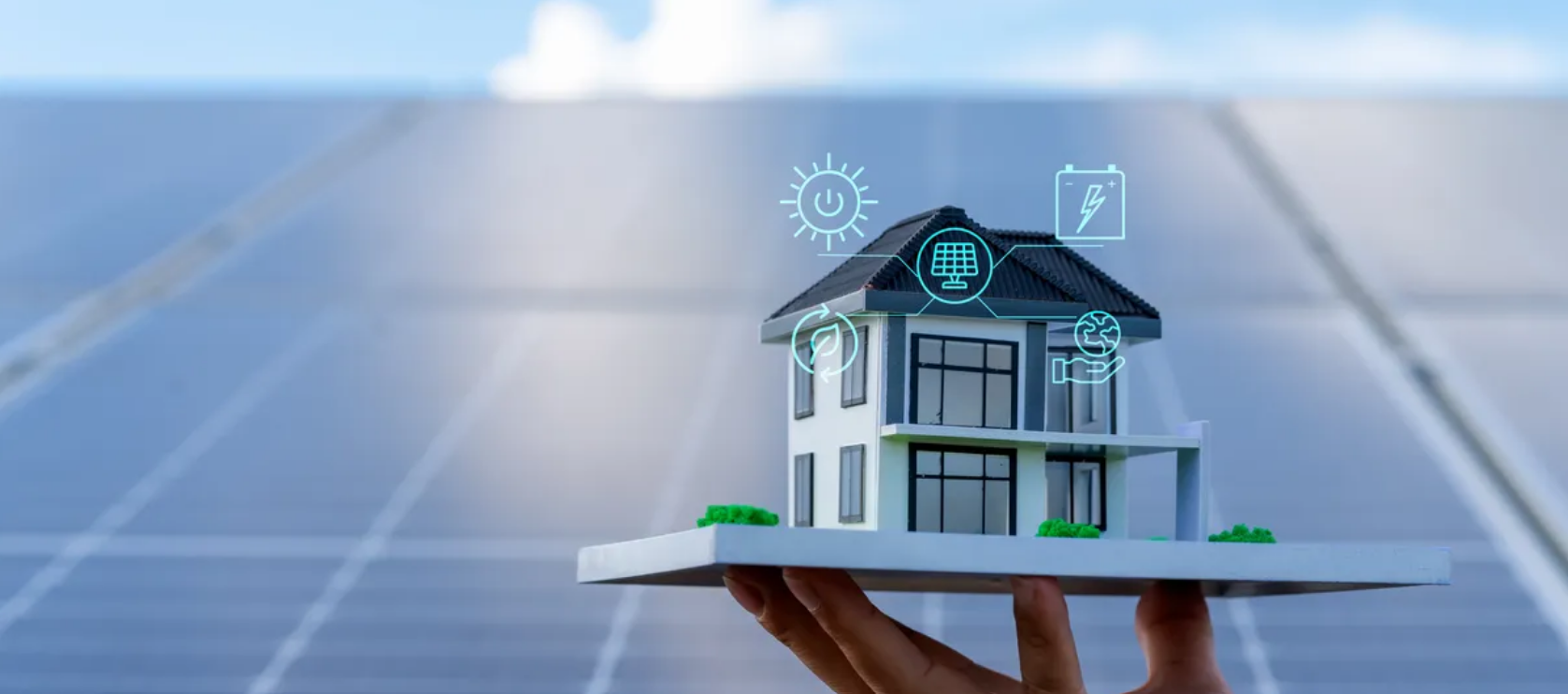
The best home improvements that make a difference are energy-efficiency upgrades, water-saving fixtures, low-maintenance landscaping, and targeted kitchen or bathroom updates.
Energy-Efficient Upgrades That Cut Household Costs
Energy efficiency is one of the most cost-effective places to start when planning home improvements. Sealing air leaks, improving insulation, and controlling heating and cooling can lower energy waste, increase comfort, and make a noticeable difference without a full renovation.
Improve Windows, Insulation, and Air Sealing
Drafty windows and insufficient insulation allow heated or cooled air to escape, forcing your HVAC system to work harder. Adding insulation in the attic, walls, or floor areas and sealing gaps around doors, windows, ducts, and plumbing penetrations can be practical small home improvements that make a big difference.
When existing windows are damaged or especially inefficient, consider modern double- or triple-pane models suited to your climate. Before replacing every window, check whether weatherstripping, caulk, curtains, or targeted insulation can solve the problem at a lower cost.
Install a Smart Thermostat
A programmable or smart thermostat can adjust heating and cooling around your household schedule, helping reduce unnecessary operation while maintaining a comfortable temperature. Choose a model compatible with your HVAC system, and use its scheduling or temperature alerts consistently to get the most from this relatively simple upgrade.
Solar Panel Installation: A Long-Term Home Upgrade
Solar panels can lower electricity costs, reduce reliance on grid power, and support long-term home value when the system suits the property and local market.
Before installing a residential solar system, evaluate the roof’s age, orientation, available sunlight, shading, structural condition, and local permitting requirements. A professional assessment can also determine whether rooftop solar, a ground-mounted system, or battery storage makes the most sense for your energy use. In sunny areas such as Arizona, strong solar exposure may improve production, but savings still depend on utility rates, system size, financing, and available incentives.
Homeowners considering solar should compare installation quotes carefully and choose qualified solar installers Tucson residents trust. An experienced installer can design the system, explain expected production, coordinate permits and inspections, and clarify warranties and maintenance responsibilities.
Solar panels generally require limited upkeep, although occasional cleaning and performance monitoring can help identify problems. Most systems are designed for decades of service, so check the equipment warranty, workmanship coverage, inverter replacement terms, and projected payback period before signing a contract.
Water-Saving Upgrades That Lower Costs and Waste
Water conservation is one of the most cost-effective home improvements because it can reduce household water use, protect local supplies, and make landscaping easier to maintain.
Install Efficient Plumbing Fixtures
Replacing older faucets, showerheads, and toilets with WaterSense-labeled or similarly efficient models is a practical small home improvement that can make a noticeable difference. Look for fixtures that use less water without sacrificing pressure or flushing performance, and repair dripping taps or running toilets before installing new equipment.
- Choose low-flow showerheads and faucet aerators for kitchens and bathrooms.
- Replace outdated toilets with high-efficiency or dual-flush models.
- Check fixture specifications so expected water use is clear before buying.
Capture Rainwater for Outdoor Use
Rainwater harvesting can provide a supplemental source for watering gardens and landscapes. A covered barrel connected to a downspout may work for a small yard, while larger properties may benefit from a tank linked to an irrigation system. Keep collected water separate from indoor plumbing, use secure covers to limit debris and mosquitoes, and check local rules before installing a larger system.
Pairing rainwater collection with native plants, mulch, and drip irrigation can further reduce outdoor water demand. Together, these upgrades are among the most cost-effective home improvements for homeowners who want lower maintenance costs without sacrificing curb appeal.
Eco-Friendly Landscaping That Adds Value
Sustainable landscaping is one of the most cost-effective home improvements for making a big difference outdoors. The right choices can reduce maintenance, conserve water, improve drainage, and create a more welcoming yard without relying on a full redesign.
Choose Native, Low-Water Plants
Plants adapted to your region’s climate and soil generally need less supplemental water and fertilizer once established. Choose native trees, shrubs, and perennials suited to your property’s sunlight and drainage, then group plants with similar watering needs. A layer of organic mulch can also help retain moisture and limit weed growth, although new plants still need regular watering during establishment.
Improve Drainage with Permeable Surfaces
Permeable pavers, gravel paths, and other porous materials allow rain to filter into the soil instead of flowing across hard surfaces into storm drains. This can help reduce localized runoff and erosion. For a larger project, consider a rain garden or a properly designed infiltration area, taking local soil conditions, slope, and drainage requirements into account.
Use Water Efficiently
Drip irrigation, soil-moisture monitoring, and a properly adjusted watering schedule can prevent overwatering. Fixing leaks and directing downspouts toward suitable planted areas are small home improvements that make a noticeable difference in water use and landscape health.
Improve Indoor Air Quality for a Healthier Home
Indoor air quality upgrades can make a home more comfortable by improving ventilation, reducing pollutants from finishes, and controlling stale air, dust, and odors. These changes are particularly useful for households managing allergies or asthma, although individual results depend on the home and its occupants.
Upgrade Ventilation and Filtration
A balanced whole-house ventilation system can exchange stale indoor air for filtered outdoor air while helping maintain a tightly sealed home’s efficiency. Before choosing equipment, assess the home’s existing ventilation, humidity, and filtration needs. Regularly replacing HVAC filters and keeping air registers clear can also support consistent airflow.
In homes with combustion appliances, kitchens, or bathrooms that produce moisture and odors, properly vented exhaust fans are important. Use them as directed and address persistent dampness or condensation promptly, since ventilation alone cannot correct every indoor air problem.
Choose Lower-Emission Finishes
Paints, adhesives, flooring, and composite-wood products can release volatile organic compounds (VOCs). When repainting or remodeling, select products labeled for low VOC emissions and follow the manufacturer’s ventilation and curing instructions. The difference between low-VOC and no-VOC paint can vary by product, so read the label rather than relying only on marketing language.
Use Lighting Improvements to Reduce Energy Waste
Lighting upgrades are among the most accessible small home improvements that make a big difference. They can improve visibility and room function while reducing electricity use, especially when inefficient bulbs are replaced throughout the house.
Replace Inefficient Bulbs with LEDs
LED bulbs generally use less electricity and last longer than incandescent alternatives. Choose the correct brightness, base size, and color temperature for each fixture: warmer light often suits living areas, while brighter or cooler options may work better for task lighting. Check fixture compatibility before installing dimmable or specialty LED bulbs.
Bring in More Natural Light
Skylights, solar tubes, and well-placed window treatments can increase daylight and reduce the need for artificial lighting during the day. Compare installation cost, roof condition, heat gain, glare, and maintenance before selecting a daylighting solution. Simple changes—such as keeping windows unobstructed and using adjustable shades—may deliver useful results without a major renovation.
Kitchen and Bathroom Upgrades That Improve Efficiency and Value
Kitchen and bathroom renovations can be among the most cost-effective home improvements when they solve everyday problems, reduce resource use, and use durable materials. Prioritize function before finishes so the project improves comfort without adding unnecessary costs.
Choose Efficient Appliances and Fixtures
When replacing a refrigerator, dishwasher, washing machine, or water heater, compare energy and water consumption rather than choosing on purchase price alone. Efficient models can lower ongoing utility costs, while the right capacity prevents you from paying to run a larger appliance than your household needs. Look for current ENERGY STAR ratings and review the product’s estimated annual operating cost.
In bathrooms, water-saving toilets, faucets, and showerheads can reduce consumption without requiring a full remodel. Fix leaks before upgrading decorative features, since a small plumbing repair may be one of the most cost-effective home improvements available.
Use Durable, Lower-Impact Materials
Select finishes that can withstand moisture, heat, and frequent cleaning. Recycled-glass countertops, responsibly sourced wood, reclaimed materials, and durable tile can reduce demand for new resources while giving the room a distinctive appearance. Choose products with low-emission adhesives, sealants, and paints to support better indoor air quality during and after the renovation.
For cabinets, prioritize sturdy construction and repairable hardware over disposable trends. A timeless layout and neutral, durable finishes may also make the kitchen or bathroom more appealing to future buyers, although no upgrade guarantees a particular increase in resale or appraisal value.
Plan the Remodel Around Long-Term Use
- Improve storage and circulation before adding purely decorative features.
- Choose slip-resistant, moisture-tolerant flooring for bathrooms and utility areas.
- Install task lighting at work surfaces and adequate ventilation near showers and cooking areas.
- Confirm appliance dimensions, plumbing locations, and electrical requirements before ordering materials.
- Compare total ownership costs, including installation, maintenance, replacement parts, and energy use.
Choose Home Improvements That Pay Off
The most worthwhile home improvements balance comfort, operating costs, durability, and resale appeal. Energy-efficiency upgrades, insulation, water-saving fixtures, solar power, practical kitchen or bathroom updates, and climate-appropriate landscaping can make a noticeable difference without relying on purely cosmetic changes.
Before starting, compare the upfront cost with likely energy or water savings, maintenance requirements, local conditions, and how long you plan to stay. Prioritize urgent repairs and efficiency improvements first, then consider upgrades that improve everyday function and broad buyer appeal. With a focused plan, even small home improvements can make a big difference while supporting long-term value and a lower environmental impact.