
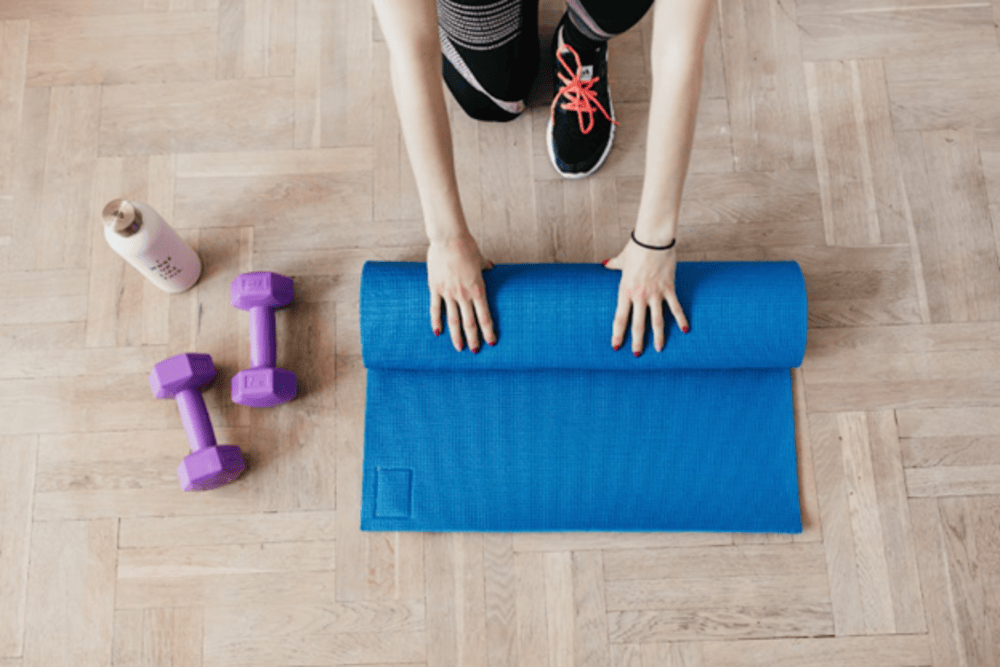
A healthy lifestyle isn’t about perfection. It’s built from small, consistent daily habits around food, movement, sleep, and hydration — actions that compound into lasting physical, mental, and emotional well-being.
Most well-intentioned resolutions fail because they demand everything at once: early wake-ups, strict meal plans, intense workouts, and flawless sleep schedules. Real life rarely cooperates with that level of ambition, and a single missed day can derail the entire effort.
The more reliable approach is the opposite. Choose a few simple practices that genuinely fit your routine, repeat them daily, and let momentum do the heavy lifting. Consistency — not intensity — is what turns a habit into second nature.
This guide walks through the daily habits that matter most: eating foods you actually enjoy, moving in ways that feel good, protecting your sleep, getting fresh air, staying hydrated, nurturing supportive relationships, and checking in with yourself. Each one is small on its own, but together they shape how you feel every single day.
Build a Balanced Diet Around Whole Foods You Enjoy
Sustainable healthy eating starts with choosing whole foods you genuinely enjoy rather than forcing yourself into restrictive diet rules. A balanced diet built on vegetables, fruits, whole grains, and lean protein — prepared in ways you actually like — is far easier to maintain than any short-term fad diet.
Restrictive eating plans and rigid food rules rarely stick because they demand too much willpower and leave little room for real life. The more practical approach is simple: fill most of your plate with nutrient-dense whole foods, eat regularly, and allow yourself flexibility. That consistency matters more than perfection.
Base your meal planning around these core food groups:
- Vegetables and fruits — fresh, frozen, or canned, in a variety of colors
- Whole grains such as brown rice, oats, quinoa, and whole-wheat pasta
- Lean proteins including beans, lentils, chicken, fish, eggs, and tofu
- Healthy fats from nuts, seeds, avocados, and olive oil
- Rotate your meals every few days to keep things interesting and prevent boredom
If you struggle to cover every nutrient through food alone, you can also consider adding supplemental products like the ones by USANA Health Sciences. These supplements are designed to support overall wellness and help complement a nutrient-rich diet. They are not meant to replace food — rather, they fill gaps where warranted within a balanced lifestyle.
You don’t need to meal prep for the entire week or follow a perfectly optimized nutrition plan. Thoughtful, mindful eating most of the time is what truly moves the needle. When you consistently nourish your body with foods you enjoy, you’ll feel more energized, less irritable, and more in tune with your hunger and fullness cues — which makes healthy eating a habit that actually lasts.
Move Your Body in Ways That Feel Good
You don’t need a pricey gym membership or a rigid workout plan to stay active. The real secret is finding everyday movement that you genuinely enjoy—and repeating it often enough that it becomes a natural part of your day.
Even light physical activity boosts your mood, improves circulation, and keeps your joints flexible. The key is consistency, not intensity. Ten minutes of movement a few times a day can make a bigger difference than one exhausting session you never repeat.
Simple ways to add more movement:
- Take a brisk 10-minute walk after meals to aid digestion and clear your head.
- Opt for the stairs instead of the elevator whenever you have the chance.
- Stand up and stretch for two minutes during TV commercials or work breaks.
- Park a little farther from the entrance and enjoy the extra steps.
- Turn on your favorite playlist and dance while you tidy up—it counts as cardio.
The goal isn’t to hit a daily step count or follow a strict plan. It’s to make moving feel less like a chore and more like a habit you look forward to. Over time, those small moments of activity add up to a stronger, more energized body.
How to Build a Consistent Sleep Schedule That Sticks
Consistent sleep is one of the most powerful—and most overlooked—foundations of a healthy lifestyle. When your bedtime and wake time drift from day to day, your body’s internal clock struggles to keep pace, leaving you groggy, unfocused, and more likely to lean on caffeine or sugary snacks to get through the day. The fix isn’t complicated: anchor your day with a regular sleep and wake window, then support that rhythm with a few simple evening habits that signal your body it’s time to rest.
Why a Regular Sleep Routine Matters
Your body runs on a natural 24-hour cycle known as the circadian rhythm. When you go to bed and wake up at roughly the same time each day, you reinforce that internal clock, which makes it easier to fall asleep quickly and wake up feeling genuinely rested. Irregular schedules—like staying up late on weekends and sleeping in—can disrupt this cycle and create a kind of social jet lag that leaves you tired even after a full night in bed. Over time, that drift can affect your mood, focus, digestion, and even your immune system.
Simple Habits for Better Sleep
Building a sleep routine doesn’t require a dramatic overhaul. Small, repeatable actions make the biggest difference:
- Set a consistent bedtime and wake time—aim for the same window even on weekends, following the nighttime routine guidance from Healthline.
- Wind down for 30–60 minutes before bed with a low-light activity: reading, gentle stretching, or calming music.
- Dim or eliminate bright screens in the hour before bed—blue light can suppress melatonin and delay sleep onset.
- Keep your bedroom cool, dark, and quiet to strengthen the association between your bed and rest.
- Move intense workouts earlier in the day—vigorous exercise too close to bedtime can leave you wired instead of tired.
- Avoid heavy meals, caffeine, and alcohol in the two to three hours before sleep; they can fragment your rest even if they help you doze off.
How to Reset a Disrupted Sleep Schedule
If your sleep has slipped, don’t try to fix it all at once. Shift your bedtime and wake time gradually—by 15 to 30 minutes every few days—until you land where you want to be. Pair that with getting natural light soon after waking, which helps recalibrate your internal clock. Within a week or two, falling asleep and waking up should feel noticeably easier.
Consistency is the key. Even when life gets busy, protecting your sleep routine pays off in sharper focus, steadier moods, and more energy for everything else you want to accomplish.
Spend Time Outdoors Each Day for Fresh Air and Natural Light
Getting outside every day—even for just a few minutes—is one of the simplest, most effective ways to clear your head, lift your mood, and support your overall well-being. Natural light, fresh air, and a change of scenery can quickly ease stress and help you feel more grounded, without needing to block out hours for a hike or a park trip.
Why daily outdoor time matters
Regular exposure to natural light does more than brighten your day. It helps regulate your sleep-wake cycle, supports a more positive mood, and can improve focus and energy levels. Spending time in nature—even in small doses—has been shown to lower stress and promote a sense of calm.
- Natural light helps synchronize your internal clock, making it easier to fall asleep at night and wake up refreshed.
- Fresh air can increase oxygen intake, which may help you feel more alert and less fatigued.
- Being outdoors, even briefly, gives your mind a break from screens and indoor routines, helping you reset and refocus.
- Moderate sun exposure supports vitamin D production, which is important for bone health, immune function, and mood.
Simple ways to get fresh air every day
You don’t need a grand outdoor plan. Small, consistent moments count. Try these easy ideas:
- Step onto your balcony or terrace for a few deep breaths.
- Take a short walk around the block after lunch or before starting your day.
- Sit near an open window if you’re stuck indoors—sunlight and moving air still help.
- Pair outdoor time with another habit, like drinking your morning coffee or tea outside.
- Use your lunch break to walk a few minutes, even if it’s just to the end of the street.
The goal isn’t perfection—it’s consistency. A few minutes of fresh air and daylight can shift your energy and make the rest of your day feel easier. If you’re looking for more ways to support steady energy without relying on caffeine, check out these caffeine-free energy boosters.
How to Drink Enough Water Every Day
Drinking enough water every day supports digestion, mental focus, steady energy, and skin health, yet many people still fall short of their daily hydration goals. The key is not to obsess over exact measurements — it’s to build simple, repeatable habits that make reaching for water feel automatic rather than forced.
Even mild dehydration can leave you feeling sluggish, distracted, or prone to headaches. When you make staying hydrated a consistent part of your routine, you give your body the steady support it needs to feel its best from morning to night.
Simple Ways to Build a Hydration Habit
You don’t need a complicated water-tracking app or a strict schedule. Small prompts woven into your existing day are enough to keep you on track:
- Start each morning with a full glass of water before coffee, tea, or breakfast.
- Keep a reusable water bottle on your desk, in your bag, or in the car so it’s always within reach.
- Take a few sips every time you stand up, finish a task, or glance at your phone.
- Pair water with routines you already have, like drinking a glass with every meal or right after brushing your teeth.
Make Water Easier to Enjoy
If plain water feels boring, add natural flavor without extra sugar. Drop in lemon, cucumber, mint, or a handful of berries to make it easier to drink more throughout the day. Keeping a pitcher filled in the fridge also means cold water is ready whenever you want it.
The goal is consistency, not perfection. Once drinking water becomes a natural part of your daily rhythm, you’ll notice the difference in how you feel — steadier energy, clearer focus, and a stronger foundation for the rest of your wellness routine.
Prioritize Meaningful Time with Supportive Loved Ones
Strong social connections do more than fill your calendar—they directly support mental health, lower everyday stress, and even contribute to a longer, healthier life. You don’t need a large circle; a few trustworthy people who genuinely understand you can make the biggest difference.
When you regularly spend time with people who uplift you, you’re more likely to stay motivated with your healthy habits, recover faster from setbacks, and feel a stronger sense of belonging. Isolation, by contrast, can drain your energy and make consistency feel much harder.
Here are simple, realistic ways to nurture those relationships:
- Send a quick text or voice note to check in on a friend—no special occasion needed.
- Schedule a coffee date or a short walk together to catch up face to face.
- Share a meal with family, even if it’s simple takeout at the kitchen table.
- Join a local club, hobby group, or fitness class to meet people who share your interests.
- Offer help when someone you care about is struggling—and let them support you in return.
The goal isn’t to be social every hour of the day. It’s to protect time for the relationships that genuinely recharge you, so your healthy lifestyle feels supported rather than solitary.
“`html
Track Your Progress to Build Healthy Habits That Last
You don’t need a wellness app, a spreadsheet, or a strict checklist to know whether your daily routine is working. A few minutes of honest self-reflection each evening is enough to reveal which healthy habits are supporting your energy, focus, and mood — and which ones are quietly draining you.
Self-monitoring is one of the most reliable ways to stay consistent. When you notice small wins, you naturally want to repeat them. When you spot patterns that leave you tired or unmotivated, you can adjust course before one rough day turns into a rough week. This simple feedback loop is what separates short-lived motivation from sustainable lifestyle changes.
A Simple Daily Reflection Routine
Keep a small notebook or use the notes app on your phone, then answer three short questions at the end of each day:
- What one thing today made you feel good — energized, calm, or proud?
- Which routine or habit helped you stay focused or relaxed?
- What felt off, rushed, or draining, and why might that be?
That’s it. You don’t need to measure water intake, count steps, or log every meal. The goal is pattern recognition, not perfection. Reviewing your answers once a week gives you a clear picture of which daily habits deserve more of your time and which ones you should drop.
Why Small Consistent Actions Beat Big Overhauls
Most people abandon dramatic lifestyle changes within a few weeks because they’re simply too hard to sustain. The wellness routines that actually stick are the ones you can repeat daily without much willpower — a ten-minute walk, a glass of water before coffee, a consistent bedtime, or a short stretch break at your desk.
When you track those small actions, you build momentum. You start to see that you’re not “doing nothing”; you’re steadily reinforcing the habits that make you feel healthier and more balanced. Over time, consistency turns those deliberate choices into automatic behavior, and that’s when real, lasting change happens.
Choose a few healthy habits that genuinely fit your life, repeat them every day, and check in with yourself regularly. As your progress becomes visible, motivation follows naturally — and your routine stops feeling like a chore. It simply becomes part of who you are.
“`