

To become a CRNA, earn a nursing degree, pass the NCLEX-RN, gain critical-care experience, complete a doctoral nurse anesthesia program, and pass certification.
A Certified Registered Nurse Anesthetist (CRNA) is an advanced practice registered nurse who administers anesthesia and manages patients before, during, and after procedures. The path is demanding but structured: build a strong academic foundation, develop ICU expertise, prepare a competitive application, complete rigorous doctoral training, and meet national certification requirements.
This step-by-step guide explains how to become a CRNA from an RN, what skills and qualifications programs look for, how to prepare for admission, and how to build a sustainable CRNA career.
What Is a CRNA, and Why Become a Nurse Anesthetist?
A Certified Registered Nurse Anesthetist (CRNA) is an advanced practice registered nurse who provides anesthesia and manages patients before, during, and after procedures.
CRNAs assess patients, develop anesthesia plans, administer anesthetic medications, monitor vital signs, manage pain, and respond to changes during care. Depending on the setting and applicable state regulations, they may practice with substantial autonomy as part of surgical, obstetric, critical care, and procedural teams.
CRNAs can work in a range of healthcare environments, including:
- Hospitals and surgical departments
- Ambulatory and outpatient surgery centers
- Preoperative and post-anesthesia care units
- Labor and delivery units and birthing centers
- Endoscopy units
- Plastic surgery centers
- Specialty and pain-management practices
Why become a CRNA? The career combines advanced nursing knowledge, hands-on patient care, physiology, pharmacology, and rapid clinical decision-making. It may appeal to registered nurses who want to specialize in anesthesia, take on greater responsibility, and support patients through high-stakes procedures. The work is demanding, but it can offer varied practice settings and opportunities in clinical leadership, education, research, and independent practice where permitted.
The profession also has a specialized workforce. The U.S. Bureau of Labor Statistics reported 47,810 nurse anesthetists employed in May 2023. The American Association of Nurse Anesthesiology has reported that approximately 2,400 new CRNAs graduate each year; these figures describe workforce and graduate counts, but they do not by themselves establish a universal supply-and-demand gap.
1. Build the Academic Foundation for CRNA School
The first step in learning how to become a CRNA from an RN is earning a nursing degree, obtaining RN licensure, and building a strong academic record. Many aspiring nurse anesthetists begin with a Bachelor of Science in Nursing (BSN), which can prepare them for graduate-level anesthesia education.
Plan your coursework carefully, especially in anatomy, physiology, chemistry, microbiology, statistics, and other sciences. CRNA programs set their own admission standards, but many expect a competitive GPA and may review your performance in prerequisite and science courses closely. Check each school’s current requirements rather than relying on a single GPA cutoff.
After completing an approved nursing program, pass the National Council Licensure Examination for Registered Nurses (NCLEX-RN) and obtain an active RN license. This is the foundation for the next stages: gaining critical care experience, completing required certifications, and applying to a nurse anesthesia doctoral program.
2. Build the Critical Care Experience CRNA Programs Expect
After becoming an RN, the next step toward nurse anesthesia school is developing strong bedside experience, usually in a high-acuity critical care setting. CRNA admission requirements differ by program, so review each school’s current criteria before choosing a unit or planning your application.
Critical care experience helps you strengthen the assessment, monitoring, pharmacology, and rapid decision-making skills used in nurse anesthesia. It also gives you a clearer view of the CRNA role and helps you determine whether this demanding career is the right fit.
Build Critical Care Experience in an ICU
Strong critical care experience is a central part of preparing for nurse anesthesia school. In an intensive care unit (ICU), you develop the clinical judgment needed to assess unstable patients, recognize rapid changes, and respond calmly when treatment decisions carry serious consequences.
ICU practice also strengthens skills that translate directly to anesthesia care, including advanced patient monitoring, ventilator management, hemodynamic assessment, pharmacology, and the safe use of emergency interventions. Focus on becoming a reliable bedside nurse who can explain clinical decisions, communicate with the care team, and manage complex patients—not simply accumulating hours.
Explore CRNA Shadowing and Internship Opportunities
Hands-on anesthesia experience is not always available before admission to a nurse anesthesia program, so seek reputable CRNA internship and shadowing opportunities that match your preparation and career goals. These experiences can help you understand the profession while you build a stronger application.
Depending on the placement, you may observe CRNAs, anesthesiologists, and residents in settings such as hospital operating rooms, outpatient surgery centers, and ambulatory surgical centers. A CRNA internship experience can also help you compare anesthesia roles, ask informed questions, and decide whether this specialty fits your interests.
Internships and observation experiences do not replace the critical care nursing experience required by individual programs. However, they can provide useful perspective at several stages of the journey:
- Prospective CRNA students: Gain a clearer view of the profession and prepare more thoughtful applications.
- Nurse anesthesia students: Connect classroom concepts with the workflow and responsibilities of anesthesia care.
- Licensed CRNAs: Explore professional development and possible paths for specialization or advancement.
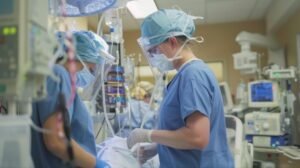
3. Prepare a Competitive CRNA School Application
After gaining critical care experience, compare each program’s admission requirements and organize your application well before the deadline. Requirements differ among Doctor of Nursing Practice (DNP) and Doctor of Nurse Anesthesia Practice (DNAP) programs, so rely on each school’s current admissions page rather than assuming one checklist applies everywhere.
Confirm Academic and Testing Requirements
- Review prerequisite courses and GPA expectations: Check whether the program requires specific undergraduate or graduate courses, minimum overall and science GPAs, recent coursework, or a competitive academic record beyond the stated minimum.
- Check the GRE policy: Some CRNA programs require the Graduate Record Examination (GRE), while others waive it or do not consider it. Verify the policy for your intended entry term, including minimum scores, testing deadlines, and whether applicants may substitute another measure.
- Prepare official records: Request transcripts early and confirm that every institution you attended has submitted the required documents. Resolve discrepancies in course titles, transfer credits, or prerequisite evaluations before applying.
Assemble Licenses, Certifications, and Recommendations
- Maintain your RN license: Programs commonly expect an active, unrestricted registered nurse license. Confirm whether you need a license in a particular state before clinical education begins.
- Document critical care credentials: Gather records for certifications requested by the program. The Critical Care Registered Nurse (CCRN) certification may be required or preferred, depending on the school, so check the exact criteria and expiration dates.
- Choose informed recommenders: Ask critical care nurse managers, charge nurses, clinical educators, or supervisors who can describe your judgment, communication, technical ability, reliability, and readiness for doctoral-level study. Give each recommender the deadline, résumé, and program details.
Strengthen the Personal Statement and Interview
A strong application explains why you want to become a CRNA, how critical care shaped that decision, and what qualities you would bring to nurse anesthesia practice. Use specific examples to show clinical reasoning, accountability, teamwork, resilience, and ethical patient care instead of repeating your résumé.
Prepare for interviews by reviewing the program’s curriculum, clinical model, faculty interests, and student-support resources. Be ready to discuss a challenging clinical situation, explain how you respond to feedback, and describe how you manage demanding academic and clinical responsibilities. You should also ask thoughtful questions about scheduling, clinical placements, board-exam preparation, and total program costs.
Admission to a DNP or DNAP program is competitive, and meeting minimum requirements does not guarantee acceptance. Build a school-by-school application calendar, verify every requirement with the official program, and apply only when your academic record, critical care background, credentials, recommendations, and professional goals present a coherent case for nurse anesthesia training.
4. How to Succeed in a CRNA Program
CRNA school is rigorous, combining advanced science, pharmacology, physiology, anesthesia concepts, simulation, and supervised clinical practice. A consistent system for studying and professional development can help you manage the workload and grow into a safe, confident nurse anesthetist.
Build a Sustainable Study System
Use a weekly schedule that separates class preparation, clinical responsibilities, review sessions, and recovery time. Break complex topics into smaller study blocks, revisit material regularly, and use practice questions to identify gaps rather than relying on passive rereading. Study groups can also help you explain difficult concepts and learn from classmates’ perspectives.
Use Clinical Feedback to Improve
Clinical training is an opportunity to connect classroom knowledge with patient care. Prepare for each case, ask focused questions, and request specific feedback from faculty and preceptors. Keep track of concepts or skills that need additional practice, then address them through coursework, discussion, and approved learning resources.
Develop the Habits of a Successful CRNA
Strong CRNAs communicate clearly, stay attentive to detail, remain composed under pressure, and recognize when they need help. Treat mistakes and challenging cases as opportunities for reflection, while taking patient safety and professional accountability seriously. Building these habits throughout the program prepares you for certification, lifelong learning, and the demands of anesthesia practice.
5. Maintain CRNA Certification and Build Your Career
After completing a nurse anesthesia program, graduates must pass the National Certification Examination administered by the National Board of Certification and Recertification for Nurse Anesthetists (NBCRNA). Passing the CRNA exam is an important step toward beginning practice, subject to applicable state licensure requirements and employer standards. It also marks the start of a continuing nursing career, not the end of formal learning.
Anesthesia practice changes as research, technology, medications, and patient-care standards develop. CRNAs therefore need to follow NBCRNA certification-maintenance requirements and meet the continuing education and licensure rules that apply in their state. Regular professional development can help you maintain competence, identify knowledge gaps, and provide safe, evidence-informed care.
A strong CRNA career can develop in several directions. In addition to direct patient care, experienced nurse anesthetists may pursue leadership, clinical education, simulation training, research, quality improvement, or administrative roles. Some also work as consultants or develop expertise in areas such as obstetric, pediatric, regional, cardiac, or outpatient anesthesia, depending on their training, employer, and scope of practice.
Plan your growth deliberately by tracking certification deadlines, seeking feedback, participating in professional organizations, and choosing education that supports your long-term goals. This approach helps you remain adaptable while building the clinical judgment and leadership qualities needed for a sustainable CRNA career.
Final Thoughts: Building a Sustainable CRNA Career
Becoming a CRNA requires a strong academic record, critical-care experience, emotional resilience, and a sustained commitment to patient safety. The path is demanding, but it can lead to meaningful work, advanced clinical responsibility, and opportunities to grow throughout your nursing career.
Success as a nurse anesthetist involves more than passing exams or completing clinical training. Develop sound judgment, communicate clearly with patients and care teams, stay open to feedback, and continue learning as anesthesia practice evolves.
Protecting your well-being is equally important. Nurse anesthesia can involve long hours, high-stakes decisions, and exposure to stressful situations. Set realistic boundaries, make time for recovery, and seek support when stress or burnout begins to affect your health. A sustainable approach can help you build a fulfilling CRNA career while providing dependable care to your patients.