
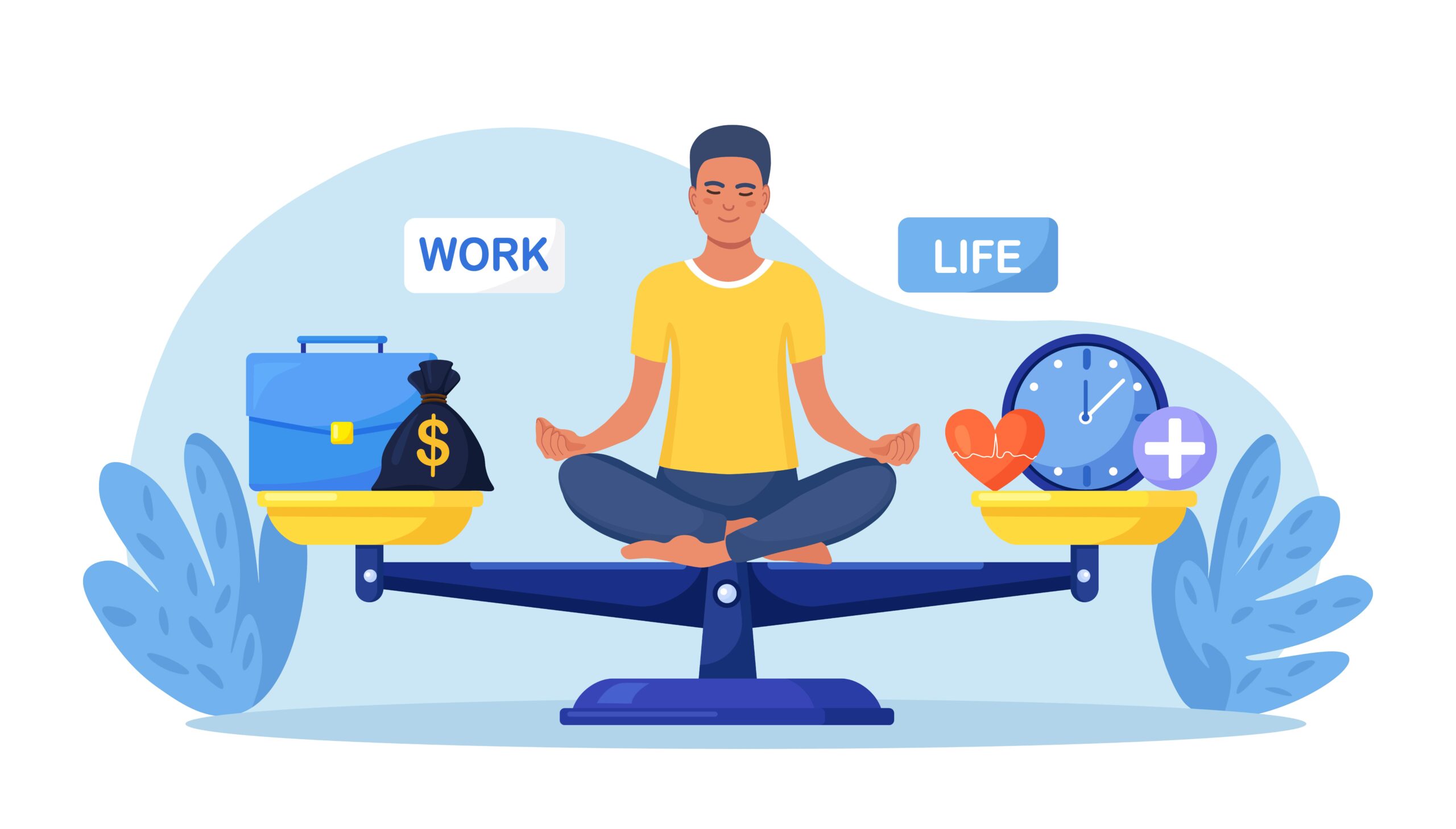
Work-life balance improves when you set boundaries, prioritize tasks, delegate, and schedule rest—even during chaotic remote-work periods. For full-time employees and independent professionals alike, the growing blend of office demands and personal responsibilities can quickly feel overwhelming, but practical strategies help you regain control.
Without a deliberate approach, constant notifications, shifting deadlines, and household duties erode both mental health and productivity. The tested methods in this guide—clear boundaries, task prioritization, time management techniques, delegation, self-care, and flexibility—show you how to protect your energy and create a sustainable rhythm between work and personal life.
1. Set Clear Boundaries
Establishing firm boundaries is the cornerstone of a healthy work-life balance, especially in an era where remote work and constant connectivity blur the line between professional and personal time. Without clear limits, email alerts, instant messages, and the pressure to always be available can make it nearly impossible to switch off from work.
Start by defining your working hours and sticking to them. If you work from home, create a dedicated workspace that you physically leave at the end of the day. This separation helps your brain recognize when work is over. For office-based employees, communicate your availability to colleagues so everyone knows your preferred times for meetings and collaboration.
It’s also important to politely decline tasks that fall outside your schedule. By setting time limits on projects and protecting your personal life, you can develop personal relationships without sacrificing your professional responsibilities.
Ultimately, clear boundaries give you control over your time and teach others to respect your availability. If you’re overwhelmed with administrative duties, Personal Assistant Recruitment services can help you offload tasks, reducing your workload and supporting a better work-life balance.
2. Prioritize Tasks
When your to-do list feels endless, knowing how to prioritize tasks is the difference between a productive day and a stressful one. Without a clear system, urgent requests and personal obligations compete for the same limited hours, which quickly undermines work-life balance. The goal is not to do more, but to focus your energy on what truly matters—both at the office and at home.
Start by separating your responsibilities into two groups: those that move your key projects forward and those that can wait. A simple daily planning session each morning helps you identify the two or three high-impact tasks that deserve your attention first. For home duties, apply the same logic—laundry can often wait, but paying a bill or preparing a meal may not. Learning to say no to low-value requests, whether from colleagues or friends, frees up time for activities that support your well-being.
One of the most effective time management techniques for this is the Eisenhower Matrix, which sorts every task into four clear categories:
- Urgent and important: Do these immediately—they are critical and time-sensitive.
- Important but not urgent: Schedule these for later; they contribute to long-term goals and personal growth.
- Urgent but not important: Delegate these whenever possible, as they demand attention but add little value.
- Neither urgent nor important: Eliminate these distractions to protect your focus and energy.
By consciously sorting your tasks this way, you reduce the risk of burnout and regain control over your schedule. Prioritizing work and home responsibilities with a proven framework makes it easier to maintain balance without sacrificing productivity.
“`html
3. Embrace Time Management Strategies
Effective time management is the backbone of a healthy work-life balance. When you master how to allocate your hours, you reduce stress, prevent burnout, and free up meaningful time for family, hobbies, and rest. Whether you work remotely or in an office, adopting proven productivity techniques helps you accomplish more in less time—without letting professional demands spill into your personal life.
Use the Pomodoro Technique for Deep Focus
The Pomodoro Technique is a time management method that breaks work into 25-minute focused intervals, each followed by a 5-minute break. After four consecutive “pomodoros,” you take a longer break of 15–30 minutes. This approach sharpens concentration, reduces mental fatigue, and ensures you regularly step away from your screen—an essential habit for remote workers and anyone prone to overworking.
Time Blocking to Structure Your Day
Time blocking involves planning your day in advance by assigning specific time slots to particular tasks or categories of work. Instead of reacting to whatever lands in your inbox, you proactively reserve blocks for deep work, meetings, email processing, and personal activities such as exercise or family time. This strategy makes your schedule visible and protects your personal hours from being consumed by work demands.
Batch Similar Tasks to Minimize Context Switching
Switching between unrelated tasks costs mental energy and reduces efficiency. Batching—grouping similar activities like responding to emails, making phone calls, or processing reports—allows you to stay in a single workflow and complete them faster. Incorporate batching into your daily routine to reclaim hours that would otherwise be lost to constant interruptions, a common challenge in both home offices and open-plan workplaces.
Leverage Productivity Apps and Digital Tools
Modern productivity apps can streamline your time management efforts. Task managers like Trello, Asana, or Todoist help you organize projects, set deadlines, and track progress. Calendar tools with color-coded time blocks make it easy to visualize your day at a glance. Choose tools that fit your workflow and use them consistently—they turn abstract time management principles into actionable daily routines.
By combining these strategies, you’ll not only boost your efficiency but also create a clear separation between work and personal time. Experiment with different techniques to find the combination that works best for your role, energy levels, and home responsibilities. The goal is not to fill every minute, but to ensure your most important tasks get the attention they deserve while leaving room for rest and recovery.
“`
“`html
4. Learn to Delegate
Trying to handle every responsibility alone is one of the fastest routes to burnout. When work deadlines, household chores, and family obligations all land on one person, exhaustion and frustration quickly follow. Learning to delegate is a practical skill that protects both your energy and your relationships while making room for genuine downtime.
At work, review your task list and identify what only you can do. Assign routine or lower-priority work to capable team members, or bring in temporary help for specialized projects. Delegation is not a sign of weakness—it frees your time for high-impact work and gives colleagues a chance to develop new skills. Managers who delegate effectively build stronger teams and reduce their own stress levels.
At home, the same principle applies. Household tasks, meal preparation, and childcare can be shared with partners, family members, or roommates. Set clear expectations about who handles what, and resist the urge to redo tasks others complete. Accepting help—even when it is not done exactly your way—creates space for rest and personal time.
Start small: pick one recurring task to hand off this week, whether it is a weekly report at work or grocery shopping at home. As you practice delegation, you will find more room for the activities that matter most outside your job.
“`
5. Make Time for Yourself
Protecting personal time is a cornerstone of sustainable work-life balance. When you pour all your energy into professional deadlines and family obligations, your own well-being suffers, which often leads to burnout, chronic stress, and reduced productivity. Scheduling intentional “me time” isn’t selfish—it’s a practical strategy for maintaining the mental and physical energy you need to show up fully in every area of your life.
To make self-care a consistent habit, identify activities that genuinely recharge you and treat them as non-negotiable appointments. Consider these ideas:
- Move your body: A brisk walk, a yoga session, or a short workout can clear your mind and boost your mood.
- Unplug completely: Set aside 30 minutes without screens, emails, or notifications to reduce mental clutter and improve focus.
- Pursue a hobby: Reading, gardening, cooking, or creative projects offer a refreshing break from daily pressures.
- Practice mindfulness: Even five minutes of deep breathing or meditation can lower stress and increase emotional resilience.
- Connect with loved ones: Quality time with family or friends—without discussing work—strengthens relationships and provides perspective.
Whatever you choose, guard that time as firmly as you would a critical meeting. When you make self-care a priority, you return to your responsibilities with renewed energy and a clearer mindset, making it easier to maintain balance over the long term.
6. Stay Flexible and Adapt
Life rarely follows a perfect plan, and a sustainable work-life balance depends on your ability to adjust when schedules shift. Instead of treating your routine as rigid, build flexibility into your approach so you can respond to changing deadlines, family needs, and unexpected events without losing your footing.
When a work deadline moves or a personal emergency arises, reassess your priorities and reallocate your time. That might mean shifting a task to tomorrow, asking a colleague for support, or temporarily adjusting your boundaries. The goal is not to abandon structure but to bend it when necessary.
Adaptability reduces stress because it removes the pressure of perfection. You can also build resilience by reviewing your week, identifying what caused friction, and tweaking your system for the next one. This continuous adjustment keeps your work-life balance sustainable over time and helps you stay productive without sacrificing your well-being.
Conclusion: Build a Sustainable Work-Life Balance
Achieving a healthy work-life balance is not about perfection—it’s about consistent, intentional choices that protect your time and energy. By setting clear boundaries, prioritizing tasks, using time management techniques like the Pomodoro method, and delegating when possible, you can reduce stress and reclaim space for what matters most. Flexibility remains essential, since unexpected changes will always arise. Revisit your approach regularly, adjust your routines as your responsibilities evolve, and remember that small improvements compound over time. With these strategies in place, you’ll be better equipped to maintain productivity at work while nurturing your personal well-being and long-term happiness.