
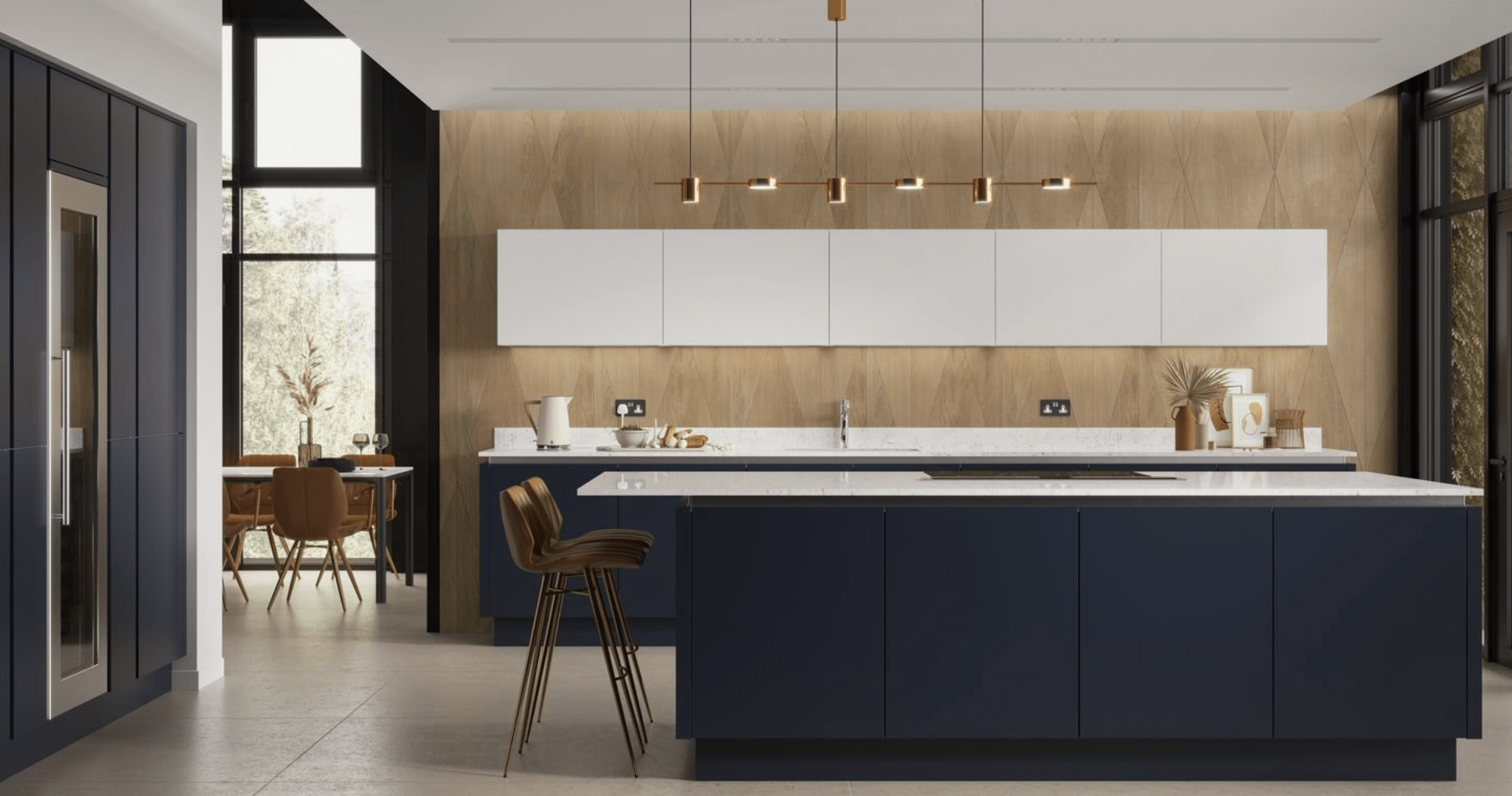
You may need a new kitchen when your current layout no longer supports how you cook, when safety or efficiency falls short, or when outdated features drive up costs and waste. Kitchen renovation is a major project, but recognizing the warning signs early helps you plan a remodel that improves function, comfort, and home value. Below are the most common reasons homeowners decide to upgrade their kitchen, along with what to consider before you start.
Whether you are dealing with cramped counter space, worn-out appliances, or a design that simply does not fit your lifestyle, a kitchen makeover can solve more than cosmetic problems. From boosting energy efficiency to eliminating safety hazards, a well-planned kitchen installation pays off every day. Use these signals to decide if it is time to invest in a new kitchen and how to prioritize your goals.
Make Your Kitchen Layout Work for the Way You Cook
Kitchen usability often declines long before the cabinets show visible wear. The way you cook, entertain, and move through the space changes over time, and a layout that worked five or ten years ago may now create bottlenecks around the stove, sink, and refrigerator. If you find yourself constantly shifting items from one counter to another or digging through crowded cabinets, a kitchen remodel focused on workflow can solve the problem at its source.
Common usability gaps include:
- Insufficient counter space for meal prep and small appliances
- Storage that forces everyday items into hard-to-reach upper cabinets
- A traffic pattern that makes it difficult for more than one person to cook comfortably
- An island or peninsula that blocks rather than supports the kitchen work triangle
Reconfiguring the layout around how you actually cook — rather than how a previous owner used the space — can transform daily routines. Adding a kitchen island with built-in storage, installing pull-out shelves and deep drawers for pots and pans, or extending the countertop along a blank wall are all practical upgrades that make the room easier to use without a full demolition.
There is also a lifestyle benefit worth considering. When the kitchen functions smoothly, you are more likely to cook at home, experiment with new recipes, and prepare healthier meals instead of relying on takeout. For many homeowners, that combination of convenience and wellbeing justifies the investment in a kitchen renovation long before the old one stops working entirely.
Create a More Eco-Friendly Kitchen
If you’re looking to reduce your household’s environmental footprint, your kitchen is one of the most impactful places to start. A modern, sustainable kitchen not only helps the planet but also lowers your utility bills and makes daily routines more efficient. From cutting down on food waste to upgrading to energy-saving appliances, there are several practical changes that can transform your kitchen into a greener space.
One of the most effective upgrades is installing a high-quality garbage disposal unit from InSinkErator. By grinding food scraps into fine particles that can be safely flushed through your plumbing, a disposal significantly reduces the amount of organic waste sent to landfill. This not only minimizes methane emissions from decomposing food but also keeps your kitchen cleaner and more hygienic. Pair this with energy-efficient appliances—such as induction cooktops, ENERGY STAR-rated refrigerators, and low-flow faucets—and you’ll see immediate savings on your energy and water bills while doing your part for the environment.
Beyond appliances and disposals, consider these eco-friendly kitchen upgrades:
- Smart thermostats and lighting – LED bulbs and motion sensors reduce electricity use.
- Reusable and recyclable materials – Choose bamboo, recycled glass, or reclaimed wood for countertops and cabinetry.
- Water-saving fixtures – Aerated taps and dual-flush toilets cut water consumption.
- Composting systems – Turn organic scraps into nutrient-rich soil instead of sending them to landfill.
An eco-friendly kitchen doesn’t require a complete overhaul. Even small changes—like switching to a garbage disposal, upgrading to efficient appliances, and adopting sustainable materials—can make a measurable difference for your wallet and the planet.
Make Your Kitchen Safer with a Modern Installation
Age is one of the most overlooked safety factors in a kitchen. A kitchen installed twenty or thirty years ago was built to the electrical, plumbing, and fire-safety standards of its time—standards that have since been tightened for good reason. When you replace an outdated kitchen, you’re not just refreshing the look; you’re removing hazards that may have been quietly present for years.
Common safety risks in older kitchens include:
– Outdated or overloaded electrical wiring that wasn’t designed for modern appliance loads
– Aging gas lines and connections that raise the risk of leaks
– Cabinets mounted at heights that make reaching for heavy items awkward or dangerous
– Poorly placed appliances that create trip hazards or put heat sources too close to flammable materials
– Old plumbing that can fail without warning, causing water damage and slip risks
A professional kitchen installation brings everything up to current building codes. New wiring is rated for the demands of today’s appliances, plumbing is replaced with modern materials, and ventilation is designed to handle the heat and moisture your kitchen actually produces.
If anyone in your household has mobility or accessibility needs, a kitchen remodel is the ideal time to address them. Pull-out shelving, lower counter heights, lever handles, and accessible appliance placement can make the difference between a space that’s merely usable and one that’s genuinely safe for everyone.