
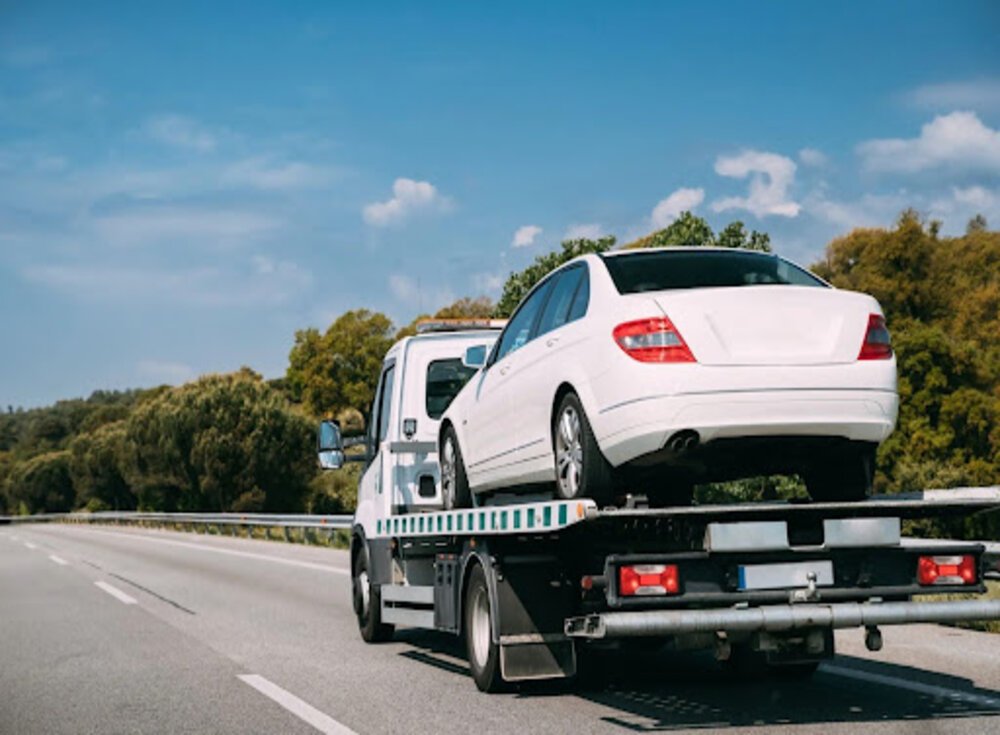
A tow truck typically costs $50–$125 for a short local haul, but mileage, time of day, vehicle type, and location can raise the price significantly. Emergency calls after hours or on weekends often add $50–$150 in surcharges, and long-distance tows can run $200–$600 or more.
Your final bill depends on several variables. Towing companies charge a base hook-up fee, then a per-mile rate. A standard car on a flatbed may cost less than a heavy-duty tow for an RV or commercial truck. Rural areas with fewer providers may have higher per-mile rates, while city drivers often pay more for overhead and traffic time.
Before you need help, check your auto insurance policy, credit card benefits, or warranty coverage—many include roadside assistance that can reduce or eliminate your out-of-pocket tow bill. For a quick ballpark in your region, read our guide on how much is a tow truck in my area and compare local company quotes.
How Much Does a Tow Truck Cost? Average Rates by Distance
Most drivers pay $50 to $125 for a short tow under 5 miles; longer hauls and after-hours calls cost considerably more. Local rates, distance, and vehicle type all shape the final bill, so treat the figures below as starting points, not guarantees.
Based on typical U.S. pricing, here’s what you can expect to pay:
- Short tows (under 5 miles): $50 to $125
- Medium tows (5 to 20 miles): $75 to $250
- Long hauls (20+ miles): $200 to $600 or more
- Emergency or after-hours calls: an added $50 to $150 surcharge
Several factors push the price higher or lower. Urban providers face higher overhead and typically charge more per mile, while rural areas with fewer competing companies can also command premium rates. Trucks, SUVs, and RVs require heavy-duty equipment that raises the base fee, and a call placed at 2 a.m., on a holiday, or during severe weather almost always carries an extra charge.
Because pricing varies by provider and location, the most reliable way to budget is to get a quote before you’re stranded. Call two or three local towing companies, confirm their hook-up fee and per-mile rate, and ask whether after-hours surcharges apply. Many roadside assistance memberships lock in pre-negotiated rates, which can protect you from surprise fees when you need help most.
How to Save on Towing Costs
Tow truck costs can climb quickly, but smart drivers cut roadside assistance expenses by checking their existing coverage first. A typical tow truck cost runs $50–$125 for short hauls, yet many people overpay simply because they never checked their auto insurance, credit card benefits, or vehicle warranty before calling.
One of the simplest ways to reduce roadside assistance cost is to use coverage you already pay for. Many auto insurance policies include towing as an add-on for a few dollars per month, and several premium credit cards offer free roadside dispatch. Vehicle warranties from manufacturers often cover towing when a mechanical failure causes the breakdown, so review your owner’s manual or warranty documents before paying out of pocket. Bundled roadside plans from providers like DriveSmart also deliver reliable towing at a fraction of the standalone price.
Comparing local towing companies in advance can reveal introductory rates, membership discounts, or flat-fee options that beat emergency pricing. Legitimate, licensed operators post transparent rates; unlicensed towers may add hidden charges or inflate mileage fees, so verify credentials and read recent reviews before you need help.
Roadside Membership vs. Pay-Per-Tow
Deciding between a roadside assistance membership and pay-as-you-go towing depends on how often you drive and your tolerance for risk. Memberships shine for frequent drivers: fixed annual rates, guaranteed response times, and predictable costs make budgeting easier. Occasional drivers, however, may find that paying only when stranded saves money compared to recurring membership fees.
- Comprehensive services: Most memberships bundle towing with battery jump-starts, flat tire changes, lockout assistance, and fuel delivery, so one plan covers multiple breakdown scenarios.
- Predictable pricing: Prearranged rates mean no surprise surcharges for after-hours or long-distance tows, which is valuable when you’re stranded far from home.
- Travel perks: Some programs add discounts on rental cars, hotels, and trip-interruption coverage, extending value beyond the roadside.
- Flexibility: Pay-per-tow appeals to drivers who rarely need help, have backup coverage through insurance, or prefer not to commit to annual dues.
The right choice balances monthly costs against how often you expect to call for help. If you break down more than once a year, a membership usually pays for itself; if you’re rarely stranded, keep a list of vetted local towers and pay only when necessary.
Who Pay-Per-Tow Services Fit Best
Pay-per-tow pricing suits a specific driver profile, not everyone. If you are weighing whether to pay a membership fee or call a tow company only when trouble hits, check whether these four situations describe your habits.
- Occasional breakdowns only: If you need roadside help just once every few years, paying per incident can cost less over time than annual membership dues that renew whether you use them or not.
- No subscription commitment: Drivers who prefer flexibility over recurring monthly or yearly charges can call for a tow only when needed, with no obligation to keep a plan active.
- Comfort with variable costs: A single emergency tow can easily exceed $150 after hours, so pay-as-you-go drivers accept that one incident might cost more than a full year of membership — a trade-off some find acceptable.
- Existing backup coverage: Motorists whose auto insurance, credit card perks, or employer benefits already include towing can skip an extra membership and rely on those fallback options instead of prepaying for help they may never use.
The right decision comes down to how often you drive, how much cost uncertainty you can tolerate, and whether predictable pricing matters more than flexibility. Frequent drivers and anyone who wants guaranteed response times typically find memberships worthwhile, while occasional drivers with existing coverage often do just fine paying per tow.
Additional Factors to Compare Before Choosing a Towing Service
Beyond membership fees and per-tow rates, a few practical details separate a dependable roadside assistance plan from one that leaves you stranded. Check these points before you commit.
- Coverage radius and distance limits: Confirm the provider serves the routes you drive most, including your commute and frequent road-trip corridors. Many plans cap tow distance per call or limit the number of service calls each year, so review those numbers carefully.
- Service availability and response time: Ask whether emergency towing, jump-starts, flat tire changes, lockout help, and fuel delivery are available 24/7 in your area. A provider with a large local network usually reaches you faster when you need roadside assistance.
- Reputation and reliability: Look up customer reviews and complaint histories to see how quickly the company responds in real breakdown situations. A low price is less valuable if the tow truck never arrives.
- Cost comparisons and hidden fees: Compare the total annual cost of a towing membership against one-time pay-per-tow charges in your region. Watch for after-hours surcharges, hook-up fees, and mileage overage costs that can inflate the final bill.
- Vehicle-specific requirements: If you drive a heavy-duty truck, RV, motorcycle, or electric vehicle, confirm the provider has the right equipment and training to tow it safely. Specialty vehicles often require a flatbed or heavy-duty tow truck, which may cost more.
Taking a few minutes to compare coverage zones, call limits, and total towing costs helps you avoid surprise fees and choose the roadside assistance plan that fits your driving habits.
Best Roadside Assistance Options for Towing Coverage
Not all roadside assistance plans deliver the same towing coverage, response times, or value for the price. Comparing the top choices—DriveSmart, AAA, and auto insurance add-ons—helps you secure dependable 24/7 emergency help without overpaying for services you rarely use. Here is how the leading programs stack up for drivers who want affordable towing, battery jump-starts, flat tire changes, and lockout assistance.
- DriveSmart: DriveSmart bundles premium roadside assistance with towing, jump-starts, flat tire changes, and lockout service. Members also receive rental car reimbursement and trip interruption coverage, adding meaningful protection when a breakdown disrupts travel plans. For drivers who want one plan with broad emergency coverage and predictable towing costs, DriveSmart is a strong fit.
- AAA: AAA is one of the most established auto club memberships, with multiple tiers that scale from basic towing to longer-distance hauling. Beyond roadside service—towing, battery service, fuel delivery, and locksmith help—AAA members earn discounts on hotels, rental cars, and other travel expenses. The trade-off is that higher coverage levels cost more annually, so occasional users may not recoup the membership fee.
- Insurance add-ons: Many auto insurers offer roadside assistance as a low-cost add-on to an existing policy. This is often the most budget-friendly route since the premium is small and billing is bundled with your auto coverage. However, towing distance limits, service call caps, and reimbursement-style claims vary widely by carrier, so compare the fine print against standalone programs before relying on it.
Before enrolling in any roadside assistance plan, review coverage limits, exclusions, response time guarantees, and annual costs. The right choice depends on how often you drive, how far you travel, and whether you prefer predictable membership pricing or pay-per-use flexibility. Comparing DriveSmart, AAA, and your insurer’s add-on against your needs keeps you prepared for roadside emergencies without paying for coverage you will not use.
Plan Ahead to Avoid Surprise Towing Costs
Knowing typical tow truck rates in your area before an emergency strikes is the smartest way to avoid inflated charges and unnecessary stress. Towing prices shift based on distance, vehicle type, time of day, and your location, so a little research goes a long way. Compare quotes from reputable providers in your region, review your auto insurance or warranty for existing roadside coverage, and decide whether a membership or pay-per-tow approach fits your driving habits.
Preparation also means knowing what to ask when you call: confirm the base fee, per-mile rate, and any after-hours surcharge before the truck rolls. Whether you rely on a roadside assistance membership or prefer to pay as you go, having a clear plan ensures you are never left stranded wondering what the final bill will be.
Join DriveSmart and Save on Towing
DriveSmart membership bundles affordable towing with a full range of roadside services, so you’re never left stranded without a plan. Instead of paying per-tow rates that spike after hours or on long hauls, you get predictable, member-friendly pricing plus expert help whenever you need it.
Along with professional towing, DriveSmart covers battery jump-starts, flat tire changes, lockout assistance, and fuel delivery. It even includes rental car reimbursement and trip interruption coverage, which can save you hundreds if a breakdown disrupts your travel plans.
- Reliable towing and roadside assistance on demand
- Transparent membership pricing with no per-call surprises
- Coverage for cars, trucks, and SUVs
Don’t wait until you’re stuck on the shoulder. Sign up for DriveSmart today and get the peace of mind that comes with affordable, professional help on every journey.