
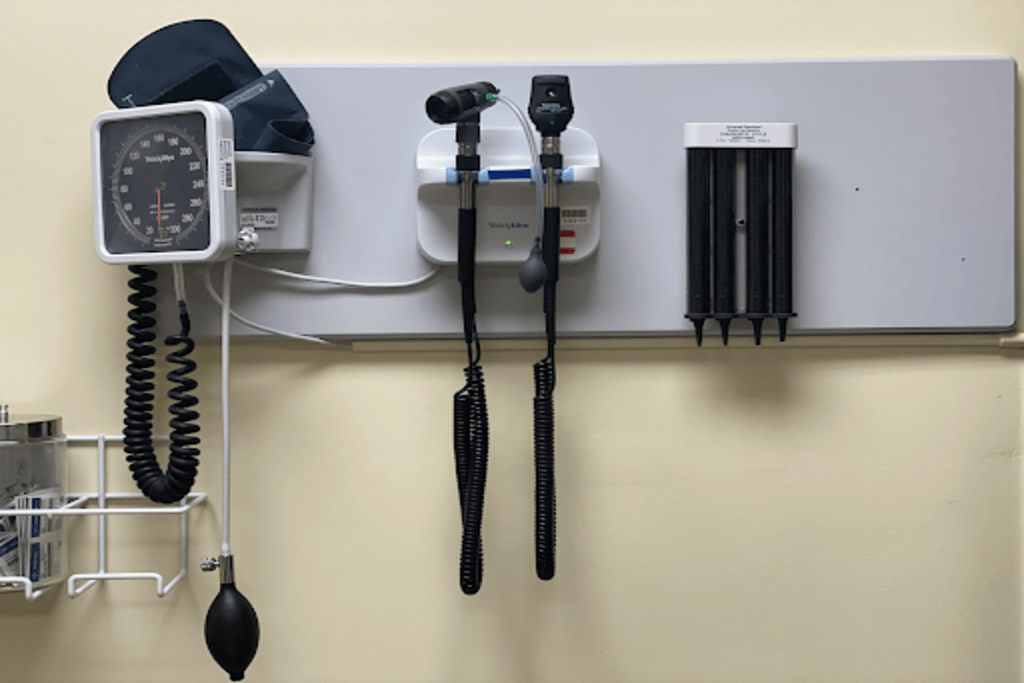
Modern health solutions are reshaping healthcare by combining preventive care, regenerative therapy, and digital technology to treat the whole person rather than isolated symptoms. This shift from reactive treatment to proactive wellness is delivering faster recoveries, better chronic disease management, and more personalized care than ever before.
The transformation is driven by several converging forces. Wearable devices now track heart rate, blood pressure, stress levels, and sleep patterns in real time, giving patients and providers the data needed for early intervention. Telehealth platforms have removed geographic barriers to specialist care, while AI-powered diagnostics are catching conditions earlier and with greater accuracy. Together, these tools are turning healthcare from a service patients access only when sick into an ongoing partnership focused on prevention and long-term wellbeing.
At the same time, regenerative medicine—including stem cell therapy, platelet-rich plasma (PRP), and pulsed electromagnetic field (PEMF) therapy—is shifting the goal from managing symptoms to restoring damaged tissue at the cellular level. Whether applied to orthopedic recovery, chronic conditions, or aesthetic treatments, these approaches reflect a broader trend: healthcare that empowers patients to take an active role in their own healing journey.
From Reactive Treatment to Preventative Healthcare
Modern medicine is moving away from the traditional reactive model—where care begins only after symptoms become severe—toward a preventative framework built on early detection, continuous monitoring, and active patient involvement.
Three forces are driving this shift: wearable technology, data-driven diagnostics, and digital health platforms. Each plays a distinct role in helping patients stay ahead of illness rather than simply responding to it.
Wearable Technology and Continuous Health Monitoring
Smartwatches and health apps now do far more than count steps. They track heart rate variability, blood pressure, sleep patterns, and stress levels in real time, giving users a detailed view of their baseline health. When readings fall outside normal ranges, users can act quickly and seek medical advice before a minor issue develops into a serious condition.
Early Diagnostics and Data-Driven Prevention
Early diagnosis remains the foundation of preventative care. Advances in data tracking and predictive analytics allow clinicians to identify risk patterns long before symptoms appear, reducing the strain on emergency services and improving long-term outcomes for chronic conditions. The earlier a problem is detected, the more treatment options remain available.
Digital Platforms and the Patient-Provider Partnership
Digital health platforms have simplified how patients access information, schedule consultations, and follow personalized wellness plans. Healthcare is no longer a transaction that happens only during an office visit; it is an ongoing collaboration between patients and providers, grounded in shared data and informed decision-making.
Regenerative Therapies: Restoring Rather Than Replacing
Regenerative medicine is changing how clinicians approach tissue damage: rather than managing symptoms indefinitely, these treatments aim to repair injured tissue and restore normal function. The field is expanding rapidly across orthopedics, sports medicine, and even aesthetic care, driven by advances in cell biology and energy-based technology.
Two therapies currently lead clinical adoption:
- Stem cell therapy uses harvested cells that can differentiate into specialized tissue, supporting repair in joints, tendons, and cartilage. Stem cell therapy for back pain is now a common option for patients seeking relief without surgery.
- Platelet-rich plasma (PRP) injections concentrate growth factors drawn from the patient’s own blood and are widely used for arthritis, ligament injuries, and post-surgical recovery.
Both approaches share a core principle: they activate the body’s innate healing capacity at the cellular level instead of relying on medications that only suppress symptoms.
Regenerative techniques are also moving into non-invasive aesthetics. Energy-based devices that support tissue recovery and pain management are increasingly standard in skincare clinics. Full face rejuvenation using Pulsed Electromagnetic Field (PEMF) therapy illustrates this crossover. PEMF, long established in veterinary rehabilitation for bone healing and musculoskeletal conditions, is now applied in cosmetics to stimulate collagen production, reduce inflammation, and revitalize skin tone.
The line between therapeutic and aesthetic medicine is blurring. Patients increasingly expect procedures that restore both function and appearance with minimal downtime—and regenerative therapies are positioned to deliver exactly that.
Integrative Care for Chronic Conditions: A Whole-Person Approach

Chronic conditions such as diabetes, autoimmune disorders, and cardiovascular disease demand far more than a prescription. Integrative care bridges evidence-based medicine with lifestyle intervention, nutritional therapy, stress reduction, and patient education—treating the whole person rather than a single set of symptoms. This strategy addresses underlying causes, supports long-term stability, and reduces the likelihood of complications.
This proactive model replaces episodic visits with a continuous, personalized partnership. For instance, Sydney diabetes specialists are leading this shift by integrating continuous glucose monitoring, tailored meal plans, and behavioral coaching into routine care. These tools help patients maintain steady blood sugar levels while building the confidence to make informed daily choices—turning passive recipients of care into active managers of their own health.
Core Pillars of an Integrative Care Plan
- Conventional treatments and medication optimization
- Personalized nutrition and therapeutic dietary approaches
- Stress management through mindfulness, meditation, and relaxation techniques
- Structured physical activity and rehabilitation programs
- Remote monitoring and wearable technology for real-time feedback
When these elements are combined, integrative care improves clinical outcomes and quality of life simultaneously. Patients gain the knowledge and support to sustain healthy habits, leading to better adherence, fewer hospitalizations, and a stronger sense of control over their health journey.
Advanced Surgical Interventions: Precision Techniques for Faster Recovery
When preventive care and conservative treatments are no longer sufficient, surgery becomes the necessary path forward. Modern surgical interventions have evolved dramatically, with robotic-assisted surgery, computer-guided tools, and advanced 3D imaging now delivering unprecedented precision, minimal invasiveness, and significantly faster recovery across nearly every surgical specialty.
Orthopedic surgery offers the clearest demonstration of this transformation. Traditional total knee and hip arthroplasties often required lengthy hospital stays and extended rehabilitation periods. Today, techniques such as arthroscopy and robot-assisted joint replacement enable patients to mobilize sooner, experience fewer complications, and return to daily activities more quickly than ever before.
In particular, knee surgery Melbourne clinics are leading this evolution, pairing surgical expertise with state-of-the-art technology. These advanced approaches enhance precision and accuracy while minimizing trauma to surrounding tissue, supporting faster mobilization, reduced post-operative pain, and greater patient confidence throughout recovery.
Key advantages of modern surgical techniques include:
- Greater precision through robotic assistance and computer-guided navigation
- Smaller incisions, reduced tissue damage, and lower infection risk
- Shorter hospital stays and faster return to work and daily activities
- Reduced post-operative pain and fewer rehabilitation complications
Tech-Driven Therapies: From AI to Remote Healing
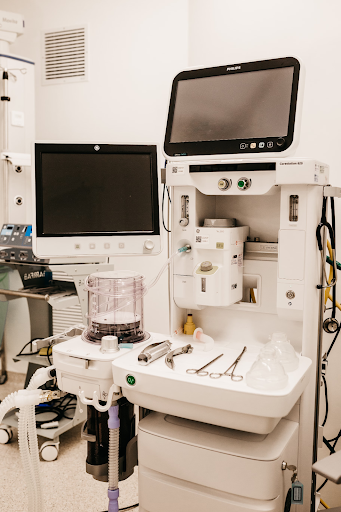
Healthcare technology now reaches far beyond the operating theater. Artificial intelligence, telehealth, virtual reality, and energy-based treatments are redefining how patients are diagnosed, monitored, and supported at every stage of care — from first screening to long-term recovery.
AI-Powered Diagnostics and Imaging
Early detection remains one of the strongest predictors of treatment success, and machine learning is making it faster and more reliable. AI algorithms now analyze MRI, CT, and X-ray images, flagging subtle patterns that support earlier identification of cancer, neurological disorders, and cardiovascular disease. In many clinical comparisons, these systems perform on par with — and in some cases exceed — the accuracy of trained radiologists, giving care teams a valuable second opinion before symptoms escalate.
Telehealth Expands Access to Care
Telemedicine has become a lifeline for patients in rural communities, remote regions, and anyone with limited mobility. Secure video consultations, remote monitoring, and digital follow-up appointments reduce the need for travel while keeping patients connected to their providers between visits. For chronic conditions that require ongoing management, this continuity supports better medication adherence, earlier detection of complications, and fewer missed appointments.
Virtual Reality in Rehabilitation and Mental Health
Virtual reality is moving from entertainment into evidence-based clinical practice. Rehabilitation programs now use immersive VR environments to guide physical therapy exercises, improve mobility after stroke or orthopedic surgery, and manage both acute and chronic pain without relying solely on medication. Mental health providers are equally finding value in VR, using controlled, therapist-guided scenarios to treat PTSD, anxiety, and phobias through gradual exposure in a safe, repeatable setting.
PEMF Therapy: Non-Invasive Energy Medicine
Pulsed Electromagnetic Field (PEMF) therapy is gaining traction as a drug-free, non-invasive option for pain management and tissue recovery. Originally developed to accelerate bone healing, PEMF is now applied to musculoskeletal conditions, inflammation reduction, and post-injury rehabilitation. Its appeal lies in its versatility and safety profile, sitting at the intersection of physiotherapy and advanced therapeutic technology — and increasingly used alongside other modern treatments as part of a comprehensive recovery plan.
Taken together, these technologies point to a care model that is more accessible, more precise, and more responsive to individual needs — where diagnosis happens earlier, treatment is less invasive, and recovery is supported by tools designed around the patient rather than the procedure.
Holistic and Lifestyle-Based Medicine: Treating the Whole Person
Lifestyle medicine shifts the focus from treating disease to optimizing wellness. Instead of addressing isolated symptoms, practitioners evaluate how daily habits—nutrition, sleep, movement, stress, and social connection—shape long-term health outcomes.
This approach is particularly valuable for chronic conditions like type 2 diabetes, hypertension, and autoimmune disorders, where medication alone rarely delivers lasting results. By combining evidence-based lifestyle interventions with conventional treatment, patients can address root causes rather than managing recurring symptoms.
Core Pillars of Lifestyle-Based Care
Modern wellness programs typically integrate several interconnected components:
- Personalized nutrition plans that account for metabolic health, food sensitivities, and cultural preferences
- Structured physical activity tailored to fitness level, mobility, and recovery goals
- Sleep optimization strategies to support hormonal balance, cognitive function, and immune response
- Stress reduction through mindfulness, breathwork, and cognitive behavioral techniques
- Social engagement and emotional support to combat isolation, a known risk factor for poor health outcomes
Patients as Active Partners in Recovery
One of the most significant shifts in modern medicine is the role of the patient. Rather than passively receiving prescriptions, individuals now use wearable devices, health apps, and regular biometric check-ins to track progress and adjust habits in real time. This participatory model builds accountability and gives people a sense of ownership over their health journey.
Integrative care plans that combine lifestyle medicine with advanced diagnostics and regenerative therapies give patients more options than ever before. Whether managing a chronic condition or pursuing preventive health, individuals can work with providers to design a plan that fits their biology and their daily reality.
Conclusion: The Future of Healing Is Human-Centered
The direction of modern medicine is unmistakable: healing now reaches far beyond simply treating illness. Today’s approach blends preventive care, regenerative therapies, precision surgery, and technology-driven diagnostics into one integrated model that prioritizes the whole person, not just the condition.
From wearable health monitoring and AI-assisted diagnosis to lifestyle-based medicine and minimally invasive procedures, patients have more control and more options than ever before. These advances make care more proactive, personalized, and accessible — transforming patients from passive recipients into active partners in their own recovery.
As innovation continues to accelerate, one principle remains constant: the most effective healthcare is the kind that empowers individuals. The future of healing is not simply smarter technology — it is technology designed around human needs, integrating wellness into everyday life and giving every patient the tools to thrive.