
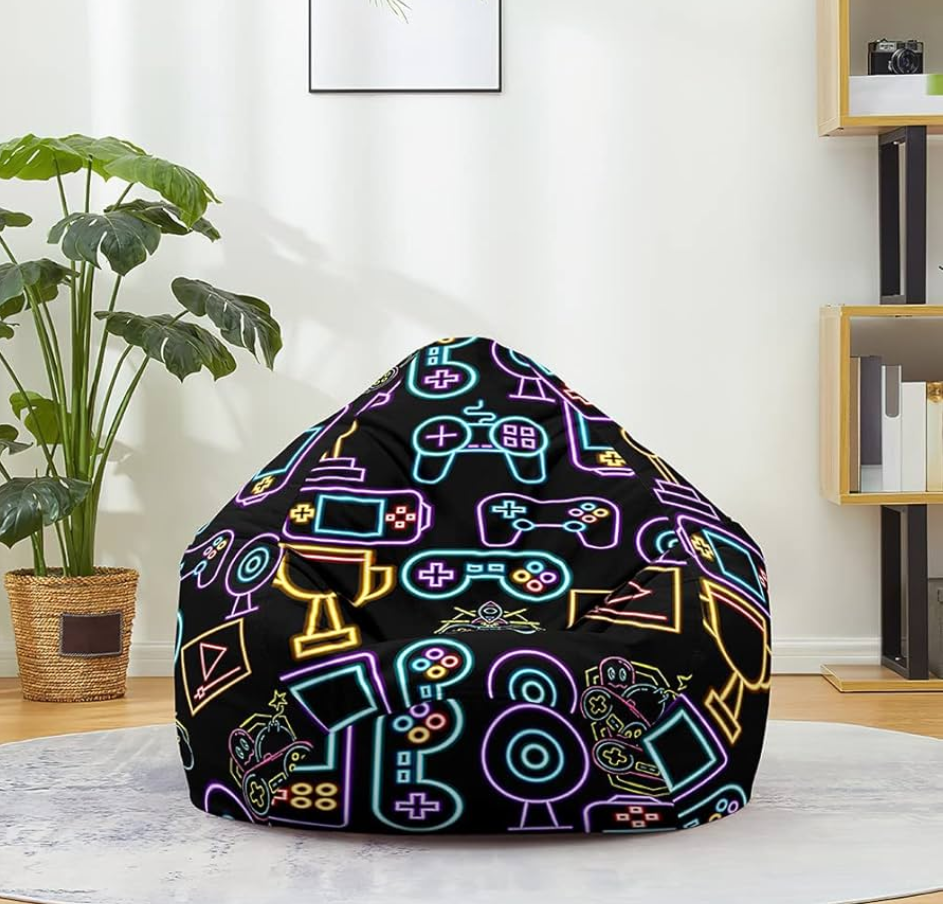
Choose a bean bag cover in a color and texture that complement your sofa, rug, and décor for comfort without a mismatched room.
A bean bag chair can be a practical place to read, play games, or relax, but its oversized shape makes it a noticeable part of the room. A bright color or unrelated fabric may compete with your furniture instead of complementing it.
The solution is to treat the cover as part of your interior design rather than a purely functional replacement. Select a shade that connects with your existing palette, then choose a material that suits the textures already in the space. This approach keeps the bean bag comfortable while helping it look intentional in a living room, bedroom, or game room.
Choose a Bean Bag Cover That Complements Your Room
A bean bag cover should work with your existing furniture, not look like an unrelated add-on. Because its size and shape naturally draw attention, use the cover’s color, fabric, and finish to connect it with the rest of your living room or game room.
Start by matching one element already in the space. A faux-leather bean bag cover can complement a leather sofa, while a bouclé or chenille cover can reinforce a room built around soft, tactile upholstery. You do not need an exact match; repeating a similar material or undertone is enough to create visual cohesion.
- Leather furniture: Consider faux leather or another smooth, structured cover.
- Textured upholstery: Look for bouclé, chenille, velvet, or microfiber.
- Mixed décor: Choose a neutral cover that bridges the room’s existing colors.
The simplest test is to compare the bean bag with your largest nearby seating. If the cover feels like it belongs alongside the sofa or chairs, rather than competing with them, you have chosen a cohesive direction.
Choose a Neutral Bean Bag Cover for Easy Coordination
A neutral bean bag cover is the safest choice when you want comfortable extra seating that blends with your existing décor. Black, gray, taupe, beige, and cream work well with patterned rugs, colorful cushions, and changing seasonal accents.
Match the cover’s undertone to the room: warm beige complements wood furniture and earthy colors, while cool gray pairs neatly with contemporary furniture and blue or green accents. A darker shade can also help disguise everyday marks in busy living rooms or family spaces.
If you want more personality without making the bean bag the room’s focal point, try deep navy, olive, muted burgundy, or another softened accent color. These shades add visual interest while remaining easy to coordinate with sofas, rugs, and throw pillows.
Use Contrast to Make the Bean Bag Cover Stand Out
Contrast can give a bean bag cover a defined place in the room, but the goal is balance rather than visual competition. Start by identifying one or two colors already present in the space, such as an accent wall, area rug, artwork, or throw pillows.
For example, a muted mustard or warm tan cover can add contrast against a deep green wall while keeping the room cohesive. In a neutral room, a navy or forest-green bean bag cover can create a stronger focal point without overwhelming the furniture.
- Busy décor: Choose a solid, understated cover that lets patterned rugs and accessories lead.
- Minimalist décor: Use a contrasting color or richly textured fabric to add depth.
- Mixed furnishings: Repeat a small accent color from the room so the bean bag feels intentional.
Place the bean bag where its color and size support the room’s layout, rather than blocking walkways or competing with the main seating area. A thoughtful combination of color, texture, and placement can turn an oversized seat into a purposeful part of the design.
Use Texture to Make a Bean Bag Cover Feel Intentional
Texture can make a bean bag chair blend into a room even when its shape is large. Choose a cover that adds contrast or repeats a tactile detail already present in your furniture, flooring, curtains, or area rug.
- Velvet: Adds softness and a polished look beside wood, metal, or other smooth surfaces.
- Chunky knit: Suits relaxed, cottage, Scandinavian, and cozy living-room styles.
- Microfiber: Works well with other soft upholstery and is an easy choice for family rooms or media spaces.
- Rug-inspired texture: Helps connect the bean bag cover to the rest of the seating area without matching every item exactly.
The goal is coordination, not uniformity. Let the bean bag cover complement the room’s existing materials while adding enough variation to keep the space from looking flat. For more inspiration, explore these antique interior decoration ideas and notice how different surfaces work together.
Choose a Minimalist Bean Bag Cover for a Calmer Room
When the rest of your décor already includes patterns, strong colors, or multiple textures, a minimalist bean bag cover is the easiest way to keep the room visually balanced.
Start with a solid color in a versatile shade such as charcoal, warm gray, taupe, cream, or deep navy. Then choose a material that relates to nearby furniture rather than competing with it. A simple cover can make a large bean bag feel intentional while still preserving its relaxed, comfortable purpose.
- For a modern room: choose a smooth fabric and a clean neutral shade.
- For a cozy space: try a soft, tactile cover in cream, beige, or muted gray.
- For a colorful room: use a quiet base color and repeat one nearby accent with a cushion or throw.
Keep the surrounding accessories restrained. A nearby blanket or cushion can connect the bean bag to the rest of the design without making the seating area feel crowded.
The goal is not to make the bean bag disappear completely. It should feel comfortable and inviting—just coordinated enough to look like part of the room instead of an accidental splash of color.
Refresh the Room with a Better Bean Bag Cover
Replacing a worn or mismatched bean bag cover is a simple way to update your space without changing the walls, flooring, or larger furniture. Choose a cover that complements your room’s colors, materials, and overall style.
For a cohesive look, coordinate at least one element with the surrounding décor:
- Color: Repeat a shade from the sofa, rug, curtains, or artwork.
- Material: Match or thoughtfully contrast nearby upholstery and furnishings.
- Texture: Use velvet, microfiber, faux leather, or another finish that suits the room’s character.
With the right bean bag cover, an oversized chair can feel like an intentional part of the layout rather than an awkward extra. The result is a more comfortable, polished space that still leaves room for everyday relaxation.