
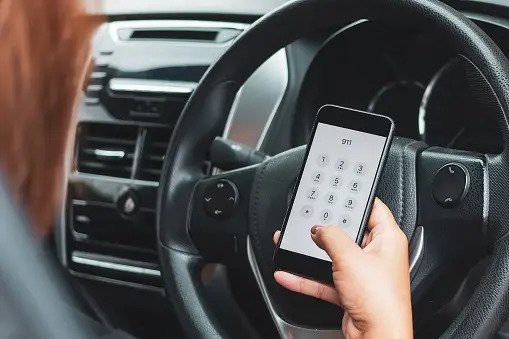
To turn off SOS on an iPhone, open the Settings app, tap Emergency SOS, and switch off Auto Call (and, if you want to prevent accidental triggers, Call with Side Button). This stops your iPhone from automatically dialing emergency services when you press and hold the side and volume buttons together or rapidly press the side button five times. You can still manually reach emergency services by swiping right on the Lock screen and tapping the Emergency SOS slider.
Emergency SOS is a safety net built into every iPhone running iOS 11 or later. It is designed to connect you to local emergency services quickly and notify your emergency contacts when you cannot dial for help yourself. Because it exists to protect you in critical moments, disabling it is a personal decision that should be made with care. The good news is that you can turn the feature back on at any time by following the same steps, so you are never permanently locked out of this safeguard.
What Does SOS Mean on an iPhone?
On an iPhone, SOS refers to the built-in Emergency SOS safety feature. It lets you quickly call local emergency services and alert your emergency contacts when you need help. The feature is available on all iPhones running iOS 11 or later, and it works by automatically dialing the appropriate emergency number for your region—such as 911 in the U.S.—and sending a text message with your location to your designated emergency contacts.
Emergency SOS is designed for situations where every second counts: a medical emergency, a safety threat, or any moment you can’t unlock your phone to make a call. It also helps in areas with weak cell reception because it can use available networks to connect the call. While the feature is simple to activate, understanding how it works helps you decide whether to keep it enabled or turn it off to avoid accidental triggers.
Why Disable Emergency SOS on iPhone? Common Reasons to Consider
Emergency SOS is a safety net, but it can also cause frustration when it activates accidentally. Below are the most frequent reasons iPhone users choose to turn off this feature, along with what to weigh before you disable it.
- Accidental triggers: Pressing the side button five times quickly, or holding the side button and a volume button together, can launch the SOS countdown. If you frequently trigger it while adjusting volume, taking screenshots, or putting the phone in your pocket, disabling the shortcut reduces false alarms.
- Unintentional calls to emergency services: With Auto Call enabled, the iPhone automatically dials local emergency numbers after the countdown ends. Even a brief accidental hold can place a call, which may tie up dispatchers. Turning off Auto Call prevents these unintended calls while keeping manual access available.
- Button conflicts: Some users find the side button too sensitive or want to repurpose it for other actions. Disabling the SOS trigger allows the button to function solely for power, Siri, or accessibility features without the risk of an emergency activation.
- Privacy concerns: When SOS is triggered, your iPhone may share your location with emergency contacts. If you prefer not to broadcast your whereabouts automatically, disabling the feature stops that data transmission.
- Battery or performance worries: A small number of users report that an accidental SOS countdown can drain battery or cause the phone to behave oddly. While not common, disabling the trigger eliminates these rare issues.
Before you disable Emergency SOS, remember that it exists to connect you quickly to help in life-threatening situations. If you often find yourself in risky environments or have a medical condition, you might prefer to keep it enabled and instead adjust the trigger settings to reduce accidental activations. The choice depends on your daily habits and how confident you are in manually dialing emergency services when needed.
How to Turn Off Emergency SOS on iPhone
Disabling Emergency SOS on your iPhone takes only a few taps in the Settings app. Follow these steps to stop accidental emergency calls and prevent unintended triggers from the side button.
- Open the Settings app on your iPhone.
- Scroll down and tap Emergency SOS.
- Toggle off Auto Call to stop the iPhone from automatically dialing emergency services when you press the side button five times or hold the side and volume buttons.
- Optionally, toggle off Call with Side Button to avoid accidentally activating SOS when you press the side button while locking the screen or taking a screenshot.
Once Auto Call is off, your iPhone will no longer place an automatic call to 911 or your local emergency number when you press the side button repeatedly. If you also disable Call with Side Button, you’ll prevent accidental triggers from the side button during everyday tasks.
Keep in mind that even with both toggles disabled, you can still manually reach Emergency SOS whenever you need it. Simply swipe right on the Lock screen, drag the Emergency SOS slider, or use the side button to access the emergency call screen. Re-enabling the feature later is just as easy—return to Settings > Emergency SOS and turn the toggles back on.
Also Read: How to find your Apple ID password?
Alternative Ways to Turn Off SOS on iPhone
Beyond the Settings app, you can also disable Emergency SOS directly from the Control Center or by asking Siri to do it for you. Both methods are fast and convenient, especially when you need to adjust the feature without digging through menus. Below, we explain how each approach works so you can pick the one that fits your routine.
Using Control Center
Control Center doesn’t let you disable Emergency SOS permanently—that requires the Settings app. However, it does give you a quick way to cancel an accidental SOS activation before a call goes through. Here’s how:
- Open Control Center by swiping down from the top-right corner of your iPhone’s display (on models with Face ID).
- Press and hold the red Emergency SOS button until the slider appears.
- Drag the slider to the left to dismiss the prompt and prevent the emergency call.
Using Siri to Turn Off Emergency SOS
If you prefer a hands-free approach, Siri gives you a fast way to start disabling Emergency SOS on your iPhone. Here’s how to turn off the feature with a simple voice command.
- Wake Siri by pressing and holding the Side button (or the Home button on older iPhone models), or say “Hey Siri” if voice activation is enabled.
- Say a clear command such as “Turn off Emergency SOS,” “Disable Emergency SOS,” or “Open Emergency SOS settings.”
- Follow the on-screen prompt. In most cases, Siri opens the Emergency SOS settings page, where you can toggle off Auto Call and Call with Side Button to complete the change.
Keep in mind that Siri’s exact response can vary by iOS version, so always check the Settings screen afterward to confirm the switches are actually off before relying on the change.
Remember that disabling Emergency SOS means your iPhone will no longer automatically call emergency services through the side-button shortcut. If you ever need urgent help, you can still dial 911 or your local emergency number directly from the Phone or Keypad app.
Conclusion
Whether your goal is to stop accidental emergency calls or to free up the side button for other shortcuts, disabling Emergency SOS on your iPhone takes only a few taps. You can turn off Auto Call and the side-button trigger in Settings, use the Control Center slider for quick control, or ask Siri to handle it for you. And if you ever want the feature back, re-enabling it follows the same straightforward steps, so you are never permanently locked out of a safety tool.
The real decision comes down to balancing convenience with safety. Accidental SOS activations can be stressful, but the feature exists to connect you with help fast when it matters most. If you do disable it, remember that you can still reach emergency services by dialing your local number directly. Customizing your iPhone to match how you actually use it keeps the experience seamless while making sure you stay prepared for whatever comes next.