
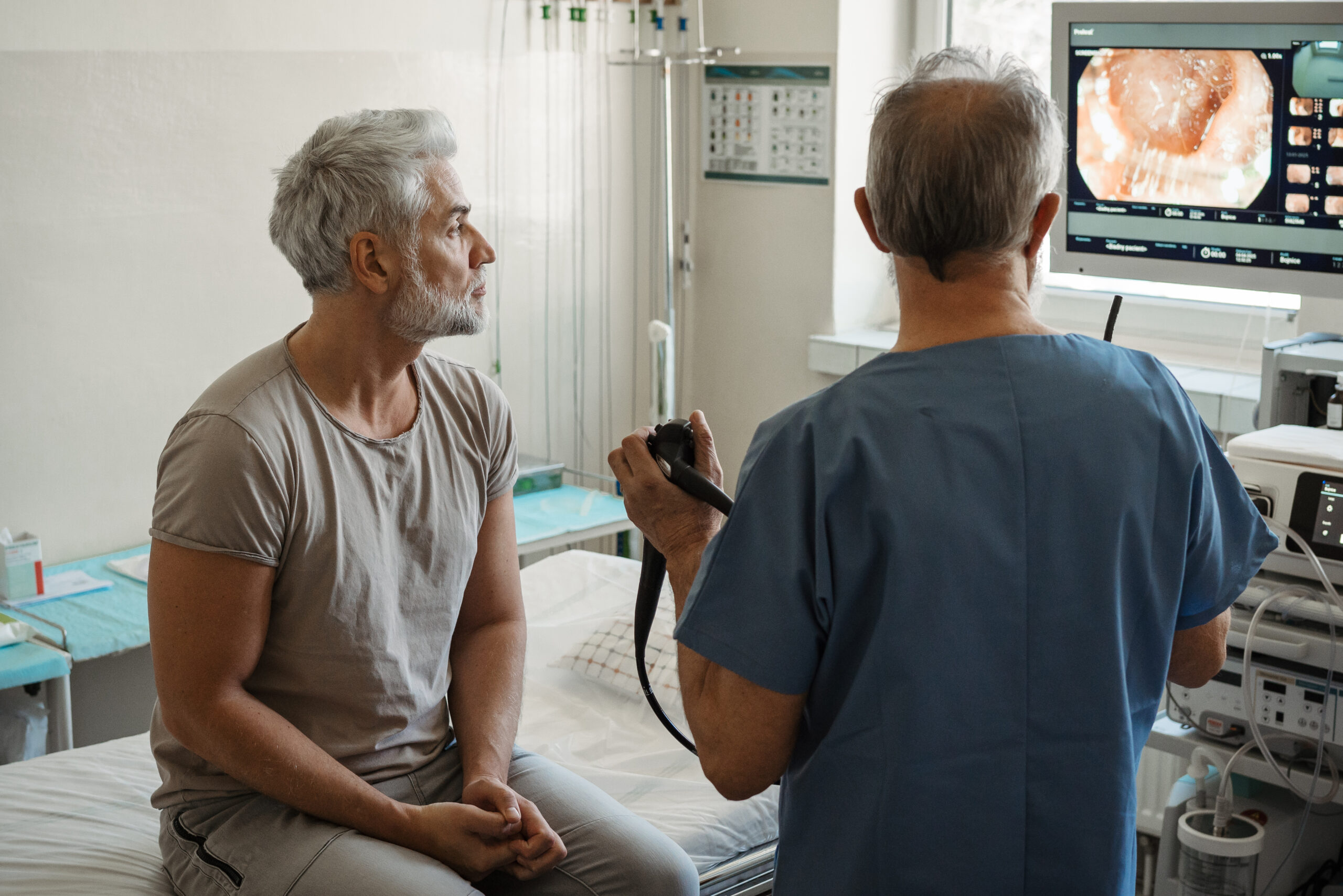
A colonoscopy involves bowel preparation, clear liquids, sedation, and a brief examination of the colon, followed by short-term bloating or fatigue.
Knowing what to expect can make a first colonoscopy feel more manageable. The preparation is often the most demanding part: you will follow your clinician’s diet and laxative instructions, make frequent bathroom trips, and arrange time to rest. After the examination, you may need someone to take you home and stay with you while the sedation wears off.
Colonoscopy Preparation Usually Feels Harder Than the Procedure
For many people, the bowel preparation is the most demanding part of a colonoscopy. Following your written instructions carefully helps clear the colon so your doctor can see its lining clearly and remove polyps when appropriate.
Your preparation may begin one or two days before the examination with temporary dietary changes. Your care team will explain which low-fiber foods and drinks are suitable and when to stop solid food. The day before the procedure, most patients switch to approved clear liquids, such as water, clear broth, tea without milk, or certain strained juices. Follow your clinic’s instructions rather than relying on a general food list.
The bowel-cleansing medicine is usually taken according to a prescribed schedule, sometimes in split doses. Plan to remain near a bathroom because frequent, watery bowel movements can continue for several hours. Setting out your supplies, using gentle unscented wipes or barrier cream, and arranging entertainment can make the evening more manageable.
- Read the preparation instructions before the day of the colonoscopy.
- Drink only the clear liquids your medical team approves, and avoid anything the instructions prohibit.
- Ask the clinic what to do about regular medicines, diabetes treatment, or blood thinners.
- Contact the care team if you cannot keep the preparation or fluids down, or if you feel severely unwell.
Whether you visit Colonoscopy Singapore clinics or another facility, the exact diet and laxative schedule can differ. A clean colon improves the quality of the examination, so do not change the timing or preparation plan without speaking with your medical team.
Sleep and Anxiety May Be Disrupted Before a Colonoscopy
A restless night is common before a colonoscopy. The bowel preparation may cause repeated trips to the bathroom, particularly when your instructions use a split-dose laxative taken the evening before and again on the morning of the examination. Follow the schedule supplied by your endoscopy team rather than changing the timing yourself.
Anticipating sedation, the examination, or possible findings can also make it difficult to relax. A colonoscopy is performed to examine the colon and may identify problems such as polyps or inflammation; feeling worried about the results does not mean that something is wrong.
Make the night easier by keeping the bathroom stocked, using a night-light, and preparing comfortable clothing for the morning. If possible, clear your schedule for the day before the procedure so you can rest. Ask your doctor or endoscopy clinic about medication restrictions, hydration, and any concern that is keeping you awake, and do not take a sleep aid or change regular medicines without medical advice.
Colonoscopy Prep Can Leave You Hungry and Dehydrated
During the clear-liquid phase of colonoscopy preparation, you may feel hungry, tired, light-headed, or irritable. Repeated bowel movements can also increase your risk of dehydration, so follow your clinic’s instructions closely and keep approved fluids available.
Clear liquids may include water, clear broth, apple juice, and tea without milk, but your endoscopy team’s list takes priority. Sip fluids regularly rather than waiting until you feel thirsty. Electrolyte drinks may help replace sodium and other minerals, provided they are allowed by your preparation instructions.
- Choose only liquids your doctor or clinic has approved.
- Avoid solid food and cloudy drinks during the restricted period.
- Do not drink red or purple liquids unless your care team specifically says they are acceptable, because they may be mistaken for blood during the examination.
Contact your medical team if you cannot keep fluids down, feel faint, or develop concerning symptoms. They can explain what to do and whether your colonoscopy preparation needs to be adjusted.
A Colonoscopy Is Routine for the Medical Team
Feeling embarrassed before a colonoscopy is understandable, but privacy and dignity are part of standard care. The gastroenterologist, nurses, and other staff perform this examination routinely and focus on your comfort, safety, and the results—not on judging your body.
You will typically change into a hospital gown and receive instructions before the examination begins. Sedation or anesthesia may be offered, depending on the facility, your health, and the plan agreed with your care team. During the colonoscopy, the doctor guides a flexible camera through the rectum and colon to look for inflammation, polyps, or other abnormalities. Ask what type of sedation will be used and arrange for an adult to take you home if medication could affect your alertness.
A virtual colonoscopy is a different test that uses CT imaging to create pictures of the colon and rectum rather than inserting a camera throughout the colon. It still generally requires bowel preparation, and any suspicious finding may require a conventional colonoscopy for biopsy or polyp removal. Your clinician can explain which option is appropriate for your symptoms, screening needs, and medical history.
What to Expect From Colonoscopy Sedation
Sedation can make a colonoscopy feel brief and more comfortable. The medication is usually given through an IV, and you may become drowsy or fall asleep. Some people remember little or nothing afterward, while others remain lightly aware. Your clinical team will monitor you throughout the procedure and explain which type of sedation is planned.
When you wake up, you may feel groggy, unsteady, emotional, or temporarily confused. You might also notice mild bloating from the air used during the examination. These effects generally improve as the medication wears off, but recovery times vary, so follow the discharge instructions provided by your care team.
Arrange for a responsible adult to take you home and stay with you for the period recommended by the clinic. Do not drive, operate machinery, drink alcohol, make important decisions, or return to work until your medical team says it is safe.
Bloating and Gas Can Happen After a Colonoscopy
Mild bloating, abdominal pressure, or cramping is common after a colonoscopy. The medical team may use air or carbon dioxide to expand the colon and improve visibility, and some of that gas can remain afterward.
Passing gas is a normal way to relieve the pressure, even if it feels uncomfortable or embarrassing. Gentle walking can help your body release the gas. These symptoms usually improve as you recover, but contact your healthcare team promptly if you develop severe or worsening abdominal pain, persistent vomiting, fever, or heavy rectal bleeding.
When Will Bowel Movements Return to Normal After a Colonoscopy?
Your bowel movements may be different for a day or two after a colonoscopy. The bowel preparation temporarily empties your colon, so you might not have a bowel movement immediately, or you may notice loose stools as your digestion returns to its usual pattern.
Start with light foods and follow the discharge instructions from your care team. Small portions of easy-to-digest foods, such as bananas, rice, toast, or soup, may be more comfortable at first. Drink fluids as recommended, then gradually resume your usual diet rather than adding a large amount of fiber all at once.
If you have ongoing digestion troubles, contact your healthcare provider for personalized advice. Severe or worsening abdominal pain, persistent vomiting, fever, heavy rectal bleeding, or an inability to pass gas should be reported promptly rather than treated as routine post-colonoscopy discomfort.
How to Make Colonoscopy Preparation Easier
A colonoscopy can screen for colorectal cancer, identify polyps before they become serious, and help investigate symptoms such as bleeding or persistent changes in bowel habits. It does not prevent conditions such as ulcerative colitis, but it can help doctors diagnose and monitor problems affecting the colon.
The bowel preparation is often the most inconvenient part, while the procedure itself is usually completed under sedation. Follow your clinic’s instructions carefully, arrange transportation home, and ask in advance which medicines, foods, and drinks are permitted. If you develop severe abdominal pain, heavy bleeding, persistent vomiting, fever, or worsening dizziness afterward, contact your medical team promptly.
Knowing what to expect can make a first colonoscopy feel more manageable. Although the preparation may be tiring and uncomfortable, completing it properly gives the doctor a clearer view and supports more accurate screening and diagnosis.