
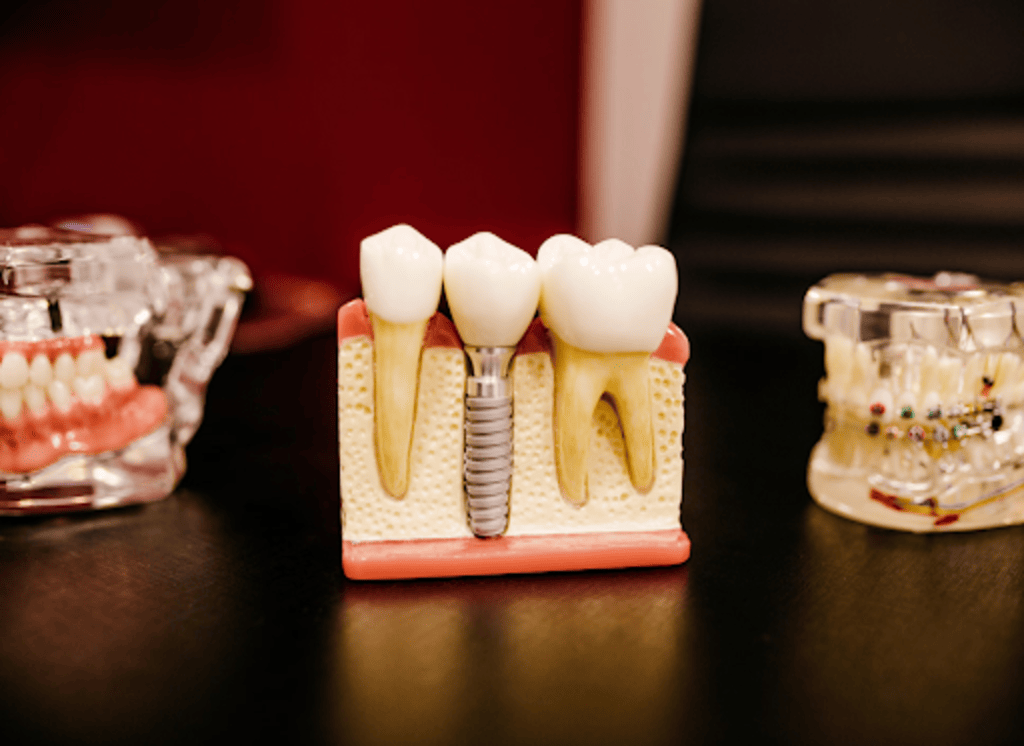
When we travel through life, our physiques — and our health demands — alter dramatically. From the swift development of youth to the thoughtful tempo of our senior years, each phase presents unique challenges and opportunities.
Understanding the ways in which we can maintain our health, including oral hygiene, at every stage of life, is paramount to living an active, vibrant life that carries well into the later years. Custom dental and medical services for specific ages of their patients deal not only with the age problems but also help to obviate the oral health issues of the future.
Teen Years: Building Strong Foundations
The foundational health policies that will govern one’s entire lifespan are established during their teenage years. During this time, they undergo rapid development physically as well as emotionally and intellectually.
For some, dental care involves more than just flossing and brushing. It is also about self-confidence and how appealing one looks to others.
Most teenagers also look for orthodontic treatment during this period as well. For most of them, metal braces are the old standard; now, most people prefer using invisible braces that are more comfortable and easier to wear.
Aside from straightening teeth, these aligners are discrete and can be utilized during social interactions as there are no noticeable gadgets.
Correcting dental misalignment is not the only thing that teens require. Routine checkups, vaccinations, and mental health sessions also fall under the category of teen health care.
Positive coping strategies, regular exercising, maintaining a healthy diet, and overall long-term well-being can be inculcated during this time as habits, too. Therefore, if one’s health is taken seriously at this age, the benefits will be long-lasting.
Young Adults: Appearance and Preventative Care
Preventative maintenance, self-expression, and aesthetics become paramount to young adults as they become independent.
As individuals start looking into how their smiles affect professional and social perceptions, their oral health remains a priority.
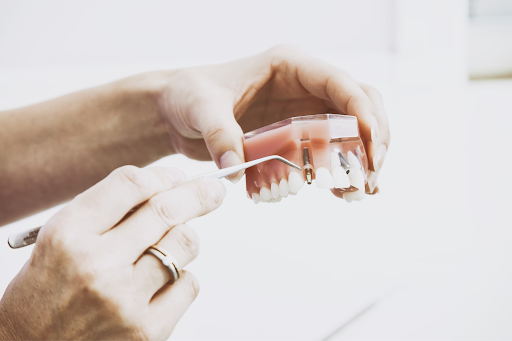
Interest in cosmetic dentistry rises at this stage. Whitening, bonding, and veneers are among the most sought-after procedures for improving the aesthetic value of teeth. Dental veneers in Melbourne are well known for providing long-lasting solutions to patients looking to improve their smiles.
Often, in just a couple of visits, veneers can fix misalignments, discoloration, gaps, and chips.
As far as general healthcare is concerned, this age bracket needs to focus on yearly physicals, reproductive exams, and stress management, as these areas can greatly influence one’s health.
Shifting from teenage years to adulthood comes with a new set of routines and schedules, which makes it important to establish practices that promote physical and mental wellness.
In addition to these, lifestyle habits such as poor diet, smoking, and lack of consistent sleep can start to become detrimental. Tackling these challenges at an early stage using proactive measures is the best way to ensure a healthy future.
Middle Age: Managing Wear and Health Risks
A great number of modifications accompany entry into adulthood, and one of the most substantial is assuming control of one’s own health. It is a prime period when individuals are making a transition into a more independent lifestyle and paying greater attention to all areas of health—including their looks, which is a prime avenue for personal expression.
A good deal of this relates to oral health. People are beginning to understand that their smiles can have a sizable impact on both their professional and social interactions. As this notion gains traction, Melbourne’s cosmetic dentistry sees a corresponding increase in popularity. Treatments like bonding, veneers, and teeth whitening are especially in vogue at this point in time. Of these methods, veneers are renowned for being a fix that looks good and lasts. When they do contour a person’s teeth, veneers take care of all sorts of affairs with faults that might otherwise show.
But appearing fit is only one component of ensuring overall health. Young adults must keep up with their basic health by making routine appointments, including not just the common physical but also essential reproductive health exams. These are part of the maintenance overseen by a health care provider. Stress management is another significant health factor, and it can be particularly hard to tackle when life becomes busy and obligations mount. Yet this is the time to really work on both health components—physical and mental—because habits (good or bad) formed now are likely to stick.
Making the right lifestyle choices becomes even more vital. Eating unhealthy foods, using tobacco, and not getting enough sleep are now recognized as serious risks to health. The best way to ensure a set-up for future health is to take steps while young to create a routine that is consistently healthier than the one that comes without any conscious effort.
Seniors: Holistic and Supportive Care
Senior years bring a shift toward supportive, integrated healthcare. With age comes a higher risk of chronic conditions such as arthritis, heart disease, and osteoporosis. Mobility may decrease, and cognitive health becomes an area of concern.
Regular geriatric assessments help ensure early detection of issues and proper management of ongoing conditions.
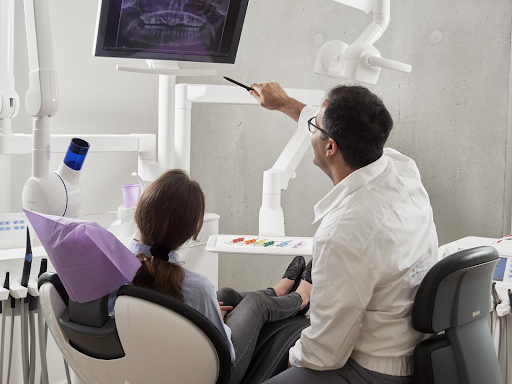
Oral health also demands particular attention in older age. Issues such as dry mouth (often a side effect of medications), gum disease, tooth loss, and ill-fitting dentures can affect not only comfort but also nutrition and self-esteem.
Restorative dental options provide many benefits for seniors. They can help with functional and aesthetic improvements through the use of bridges, implants, and even cosmetic procedures.
Significantly, Australians of advanced age — veterans in particular — could qualify for a suite of federally funded healthcare programs.
By comprehending what is DVA, you can access a range of treatments and vital services. These can include subspecialty consultations, life-saving treatments; medically necessary supplies and prosthetics, and a variety of other medically beneficial supplies.
These benefits should be explored by seniors and their caregivers to diminish the financial pressures associated with attaining seamless services.
Cross-Generational Tips for Lifelong Health
No matter what life stage you’re in, consistency is crucial: regular checkups, a balanced diet, physical activity, and social engagement all lead to a healthier, happier life.
One way families can assist one another is by exchanging wholesome practices. Parents modeling good hygiene for children or children assisting their aging parents with appointments and mobility fosters a culture of mutual wellness.
It’s this intergenerational support that strengthens not only individual health but also community well-being.
Conclusion
Health care needs change from the time we are young to the time we are old. Yet the need to care for our bodies never declines.
Regardless of whether you’re a teenager receiving your first aligners or a senior looking into DVA benefits, the stages that bring you those experiences can be embraced with a little more knowledge and a lot more intention. Indeed, that makes a difference.
With the right care and a proactive approach, you can enjoy a healthy smile and a vibrant life at every age.