
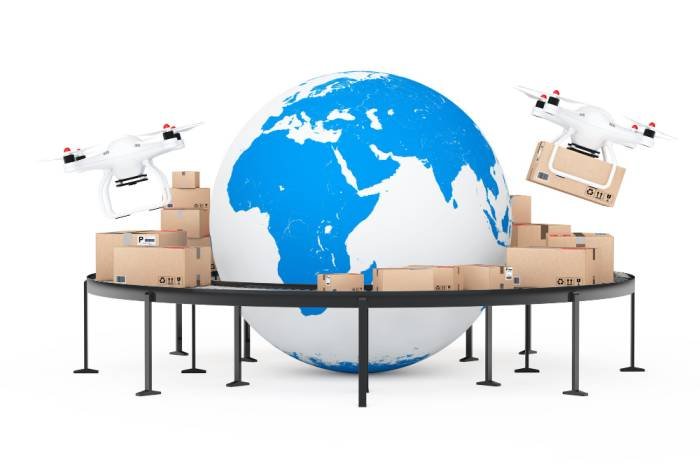
Freight forwarders rely on cloud technology to manage global supply chains, enabling real-time tracking, faster customs clearance, and more agile operations. As international trade grows more complex, logistics professionals use cloud-based platforms and transport management systems to coordinate shipments across borders, reduce delays, and improve supply chain visibility.
This guide explains how cloud technology is reshaping freight forwarding, the key benefits it delivers for shippers and carriers, and the challenges logistics providers face when adopting digital tools. You will also learn what to expect from the next wave of supply chain innovation.
“`
The Complexities of Global Commerce and the Freight Forwarder’s Role
Global commerce connects manufacturers, suppliers, and buyers across continents, but moving goods internationally is rarely straightforward. International commerce depends on a web of raw material sourcing, component assembly, and multi-modal shipping that crosses borders, time zones, and regulatory systems. Freight forwarders are the logistics professionals who orchestrate this process, coordinating ocean freight, air cargo, customs clearance, and last-mile delivery so shipments arrive on schedule and in compliance with trade laws.
Without freight forwarders, businesses would struggle to manage the documentation, tariffs, and carrier negotiations that define international shipping. Their expertise in supply chain management helps reduce delays, control costs, and keep global trade flowing efficiently across every link in the logistics chain.
“`html
How Cloud Technology Is Reshaping Freight Forwarding
Cloud technology has emerged as one of the most transformative forces in freight forwarding, replacing the paperwork-heavy, manual workflows that once slowed logistics operations. By moving data storage, processing, and sharing into cloud-based platforms, forwarders gain the speed, transparency, and scalability required to manage increasingly complex global supply chains.
Real-Time Visibility and Collaboration Across the Supply Chain
Cloud-based freight forwarding software gives stakeholders live visibility into every stage of the shipment lifecycle — from order placement and shipment tracking to customs clearance and final delivery. Shippers, carriers, customs brokers, and consignees can all access the same up-to-the-minute data, reducing miscommunication and accelerating issue resolution.
When exceptions occur, this shared visibility is invaluable. Instead of waiting for phone calls or email updates, logistics teams can monitor shipment status in real time and proactively address delays, missing documentation, or route changes before they escalate into costly disruptions.
Data-Driven Decision Making for Smarter Logistics
Freight forwarders process enormous volumes of data daily — shipment details, compliance requirements, carrier performance metrics, and customer preferences. Cloud-based analytics tools convert this raw information into actionable insights, allowing forwarders to optimize routes, forecast demand, and identify potential bottlenecks before they impact operations.
With richer data at their fingertips, logistics professionals can compare carrier options, weigh cost against transit time, and make informed decisions that drive measurable improvements in supply chain efficiency and customer satisfaction.
Agility and Scalability in a Dynamic Trade Environment
Global trade is subject to constant change — geopolitical shifts, new customs regulations, port congestion, and unforeseen disruptions. Cloud-based systems give freight forwarders the flexibility to adapt quickly, whether that means rerouting shipments, updating compliance documentation, or scaling capacity up or down as demand fluctuates.
Modern transport management systems built on cloud infrastructure deliver the real-time visibility and enhanced decision-making capabilities logistics professionals need to navigate global commerce with greater efficiency and resilience.
Navigating Cloud Adoption Challenges in Freight Forwarding
While cloud technology has reshaped freight forwarding operations, its adoption introduces distinct hurdles that logistics providers must address. These challenges span cybersecurity, data governance, and platform standardization—yet each also opens doors for industry-wide innovation and competitive advantage.
Cybersecurity and Data Privacy Risks
Freight forwarders handle sensitive shipment data, customs documentation, and client contracts, making them attractive targets for cyberattacks. Cybersecurity concerns such as ransomware, phishing, and supply chain attacks have escalated as cloud adoption grows. Additionally, compliance with data protection regulations like GDPR and CCPA requires robust encryption, access controls, and audit trails—demands that smaller forwarders often struggle to meet with legacy systems.
To mitigate these risks, forwarders are investing in zero-trust architectures, multi-factor authentication, and continuous monitoring. Cloud providers now offer built-in security features, but the responsibility for configuring them correctly remains with the logistics firm. This shift pushes the industry toward proactive threat management rather than reactive fixes.
Standardization and Interoperability Gaps
The lack of unified data standards across the logistics ecosystem creates friction when integrating cloud platforms with carriers, customs brokers, and warehouse systems. Different formats for bills of lading, shipment status updates, and invoicing data slow down automation and force manual reconciliation. This fragmentation undermines the real-time visibility that cloud technology promises.
However, industry initiatives such as the Digital Container Shipping Association (DCSA) and the adoption of EDIFACT or API-based standards are gradually closing these gaps. Forwarders that embrace open APIs and data normalization can achieve smoother collaboration, reduced errors, and faster onboarding of new partners—turning a technical barrier into a strategic differentiator.
Turning Challenges into Opportunities for Innovation
These obstacles are not merely operational burdens; they catalyze innovation. As stakeholders collaborate to build secure, interoperable cloud ecosystems, they unlock capabilities that were previously impossible:
- Predictive analytics that anticipate delays and optimize routing based on real-time data.
- Blockchain-based documentation that reduces fraud and accelerates customs clearance.
- IoT-enabled tracking that provides granular condition monitoring for sensitive cargo.
- AI-driven compliance checks that automatically validate export/import rules across jurisdictions.
Forwarders that proactively address cybersecurity and standardization invest in their own resilience. They also position themselves as trusted partners capable of handling complex global trade while maintaining data integrity. In a sector where reliability is paramount, overcoming these cloud adoption hurdles becomes a competitive edge rather than a compliance checkbox.
The Future of Freight Forwarding: AI, IoT, and Blockchain in Logistics
Freight forwarding is entering a technology-driven era where cloud platforms serve as the backbone for smarter logistics operations. The next wave of innovation will combine artificial intelligence (AI), the Internet of Things (IoT), and blockchain to create supply chains that are faster, more transparent, and more resilient than ever before.
Artificial Intelligence and Predictive Analytics in Freight Management
AI is set to transform freight management by turning historical shipment data into actionable forecasts. Machine learning algorithms can predict demand fluctuations, identify optimal shipping routes, and flag potential delays before they disrupt delivery schedules. For freight forwarders, this means fewer costly surprises and more proactive decision-making across the entire logistics network.
IoT-Enabled Real-Time Tracking Across the Supply Chain
IoT sensors attached to containers, pallets, and vehicles provide continuous visibility into shipment location, temperature, humidity, and handling conditions. This granular data helps forwarders monitor cargo integrity, reduce spoilage risks for sensitive goods, and give shippers and consignees accurate, real-time tracking updates. Combined with cloud-based dashboards, IoT transforms fragmented logistics data into a single, accessible source of truth.
Blockchain for Secure Documentation and Customs Compliance
Blockchain technology promises to streamline the paperwork-heavy side of international trade. By creating tamper-proof digital records for bills of lading, certificates of origin, and customs declarations, blockchain reduces fraud risk and accelerates clearance processes. Freight forwarders who adopt blockchain-based documentation can shorten transit times and build greater trust with partners across borders.
Digital Transformation as a Competitive Advantage
The freight forwarding companies that thrive in the coming decade will be those that embrace digital transformation now. Cloud technology, supported by integrated transport management systems, enables forwarders to scale operations, adapt to shifting trade regulations, and respond to disruptions with agility. Investing in these tools today positions logistics providers to meet rising customer expectations for speed, transparency, and reliability.
As international trade grows more complex, the fusion of cloud computing with emerging technologies will keep freight forwarders at the center of global commerce. Those who leverage these innovations will not only navigate future challenges but also define the standards for modern logistics efficiency.